

Break out the calculator! It’s all about the Word Count!
I have had a few questions about what the process of self-publishing a physical book in Kenya looks like. What does it take? How much does it cost? So, let’s calculate the cost of printing a book in Kenya in this post.
Are you ready to self-publish?
Writing in Kenya is a journey! A myriad of experiences that sort of take you through very high highs and low lows, but when you find the perfect fit, you end up in a sweet spot. You can lower your costs depending on how hard you decide to work. I can only share a snippet of the journey my sister and I have traveled under The E.i.N Company on our publishing journey. As you know, or are now learning my sister runs Baking with Amari, a baking training center. The center has published recipe books and a How To book on the baking industry. Publishing the center’s recipe and business books has been quite a process. I will share some of that with you here, as documenting it all would take a few pages.
Let’s start with a question.
Is your manuscript finished?
This is a question you need to ask yourself the moment you write the last word on the last page of your work.
- If your answer is yes, then seek a Beta Reader before you find an Editor. Beta readers are test readers. Your first test reader. You can have one, two, or five, have them read your work, and let you know what they think.
A good beta reader will give you valuable feedback. They help you clear your mind, and refine your thoughts as you want to lay them out in your book. They don’t mind having a discussion with you about your content, and they save you thousands, helping you refine your manuscript.
Listen to each beta reader if you get five, you can also have just one who really gets you, and that is also important.
Best places to get a Beta Reader:
- A Friend/family with the same interest. Someone who will not coddle you, and is honest about your masterpiece.
- Join writing groups or critique circles. Be warned, you might go through a few groups to find the perfect fit.
- Online resources – Goodreads has a Beta Reader group, explore it. Writing.com, join the writing.com community, and find a group you are comfortable with. You can even get critiques on your work. Absolutewrite.com the links are a great resource. Facebook Writing groups like this one: Beta Readers & Critiques.
Find your right Beta Reader fit. The person who makes you comfortable enough to discuss your work and how to improve it for the better. If you are not relating with your Beta Reader, stop and seek a new relationship. Sort of like dating…hahaha, get your right fit.
Cost in this part of the process: Your Time. Beta Readers are beautiful souls if you find someone willing to gain experience in reading/editing, it costs you nothing cash-wise but work and a willingness to listen to your beta reader.
Once you are satisfied your work is ready, find an Editor.
2. Invest in an Editor. There is no way around it. I’m serious. They are gold to your work. Find someone willing to work with you, and if you find you are not melding with your editor, please, stop and find someone who is singing to you. That way when they yell at you about the commas you keep adding in the wrong places, you won’t hate them for life.
Our cost in this process was as follows: Cost: 0.20 cents per word, or Kshs. 45 per 250 words. (We had about 35,000 words in the manuscript the end cost was Kshs. 6,300) The service included the following:
- Proofing for spelling mistakes, typos, punctuation problems, capitalization errors, and awkward grammar. The overall structure of the manuscript. Which includes managing your content flow, word choice, and clear narrative, and offering research help to ensure situations and scenes are factual.
The process took a little over two months as we worked to ensure everything was just right. Inputting time for Re-edits, and general discussions among all involved. Quite a process. When it was done, it was time for the cover.
3. The Book Cover – The first cover for this book was simple. It cost Kshs. 500 to design. I had taken on the role of publisher at this point, so we had numerous chitchats, and we weren’t looking for something expensive. It was an industry book, one we were testing out, so that’s about how much we felt it deserved at the time. We printed 50 books to start, but more to come on the printing. Here is the first cover. Pretty basic, but it was the first, and so still proud of it.

The second cover we worked harder. It cost about Kshs. 2,500, and it now included the ISBN barcode. Very proud of this one as well.

What to know during the book cover process: Understand your budget, and the person working with you, and what kind of book you want to sell. This creation process took a week, though with the second cover there was a lot of back and forth, going almost to two weeks.
Now: The first cover had no ISBN and we had not even gone searching for copyright, so those costs didn’t factor in. However, it’s good to get copyright and your ISBN the first time you get published. So, here are the ISBN and Copyright Costs.
ISBN – Kshs. 1,500 (confirm with Kenya Libraries on this as you get yours)
Copyright Costs – Kshs. 1,000 (The price at the time, confirm with their site as well)
A Note on Copyright Registration in 2024: The Kenya Copyright Board now has a Copyright Portal that allows you to complete this process much easier. The cost has also reduced from Kshs. 1,000 to Kshs. 100. Register an account and make sure to copyright your complete manuscript including the book cover.
In total our book costs were as follows:
First-time Print:
- Editing – Kshs. 6,300
- Book Cover – Kshs. 500
- Printing – (Kshs. 180 x 50) = Kshs. 9,000
- Total = 15, 800 (We sold it at Kshs. 500)
We weren’t happy with our first print. Pages misprinted, and arranged wrong, about 10 of the books were given for free. So, that first time was a bit of an experience.
Second Printing
- Re-editing – Kshs. 2, 000 (There were a few changes we needed to make)
- ISBN – Kshs. 1,500
- Copyright Costs – Kshs. 1,000
- Cover – Kshs. 2,500 (including the ISBN bar code)
- Printing – (Kshs. 180 x 50) = Kshs. 9,000
- Total = Kshs. 16,000 (We sell it for Kshs. 500 still, but now all we need to do is reprint for restock)
A very generous and kind client of ours shared the Publish4All contacts with us. A simple email actually. (p4akenya@gmail.com). He said they print really well and this book would come out so well with them. They were really fast to respond, and very helpful. So, that’s how we redesigned the cover and sent the book to Publish4All for second print. The end result was amazing and they even helped us sort delivery, becoming our perfect fit at last.
Do note that Publish4All requires you to have your book edited and formatted for print, as well as formatting the book cover for print. You can reach out to them and learn more. Remember, word count is key. The larger your book, the cost rises as well.
So, this is the process of printing a non-fiction book in Kenya. The end product has 102 pages, and the cover, pages neat and sealed to perfection. You have a snippet of the costs to get you through a first print. Be brave and try and get something printed, it’s the only way to know what works for your work.
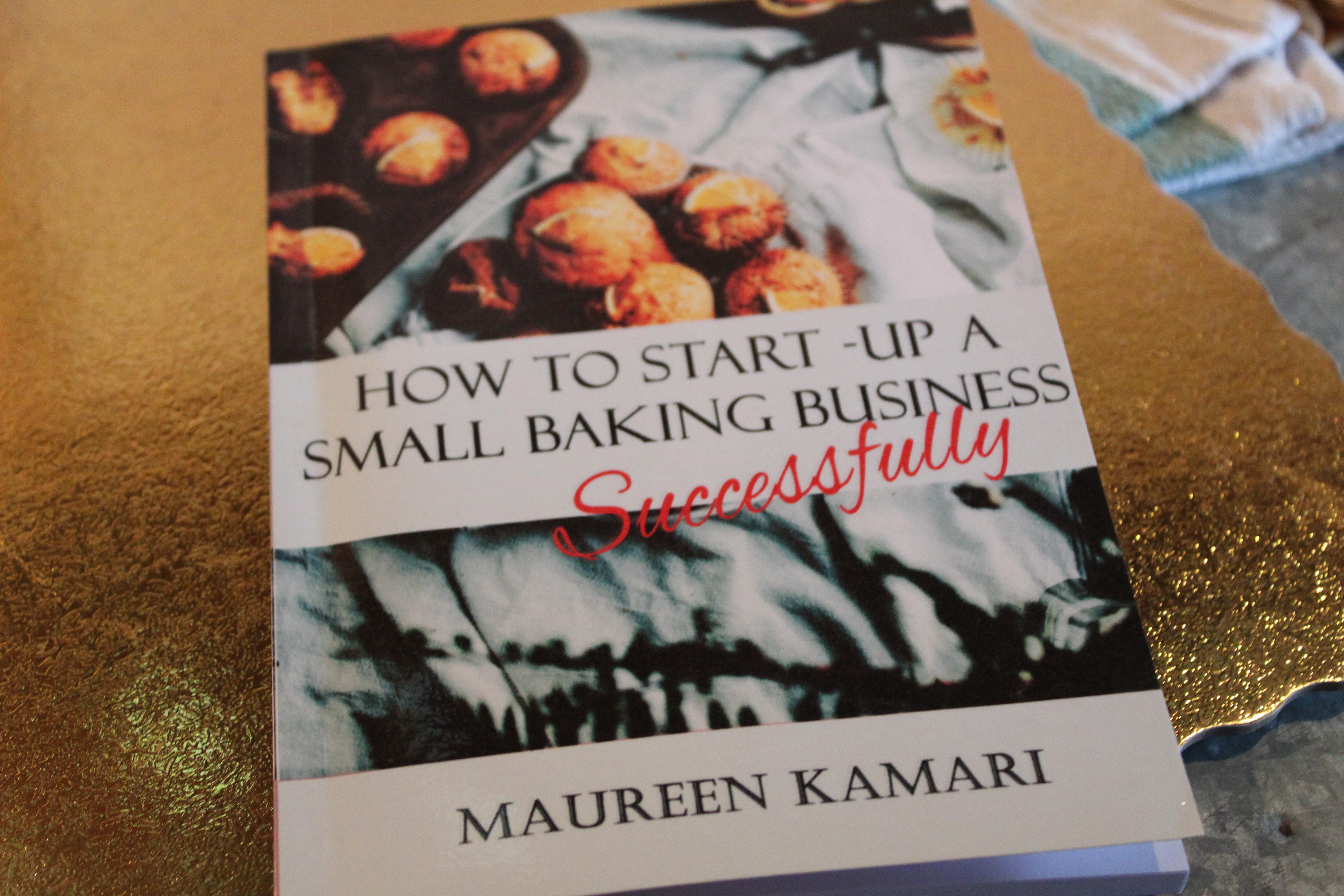
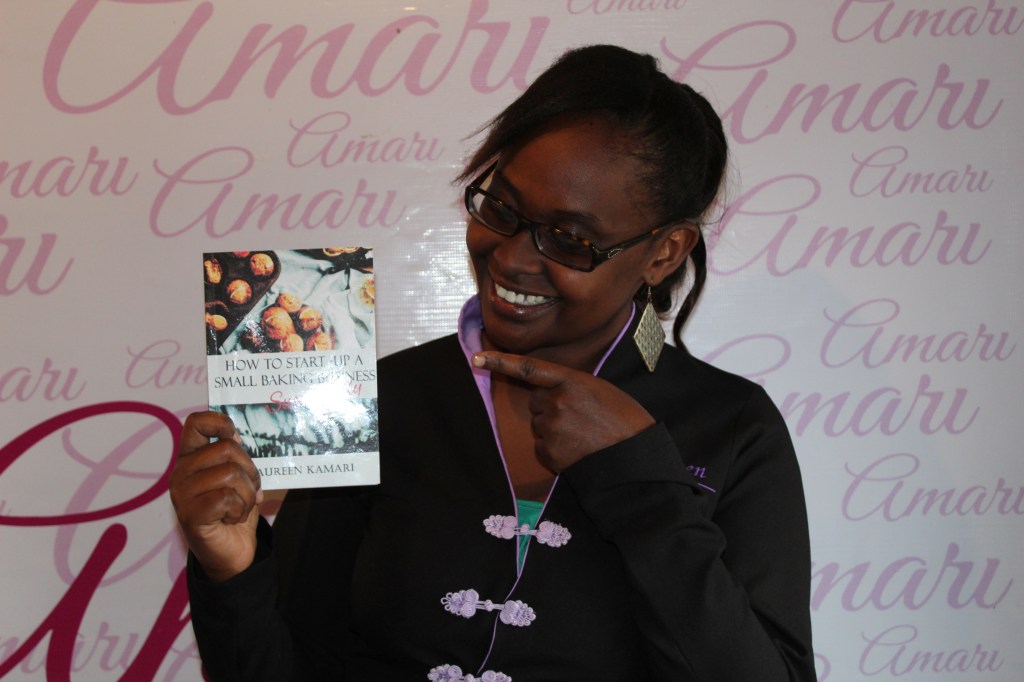
With the book in hand, the rest is marketing in all shapes, forms and sizes.
Thoughts on this process:
Before the first print, we had walked all over Nairobi trying to find the best printer. There was a printer who had the best product, but wouldn’t take our book without us printing 500 copies in one go. Imagine our shock, that was a low, because we really liked their work, but couldn’t afford all those copies at once. So, you shake it off, and keep looking. We went to the second, and a third, I think we found the first printer after talking to six printers.
I believe it depends on the amount of money you are hoping to spend, and the end product you are hoping for. So, shop around, don’t be in a rush, just be sure to have all the information you need before you start investing. That is what this process comes down to. An investment in your manuscript.
Then, start marketing like the end is tomorrow.
Please note, that the costs mentioned above were quoted according to our book size, and word count in 2018. As you seek your printing costs now, keep current economic fluctuations, such as inflation, in mind. I hope this post is of insight to you. I will work at compiling an editors in Nairobi list that you can use for your editing process.
Keep writing, and sharing, let’s get published!


Leave a reply to Jane Gitau Cancel reply