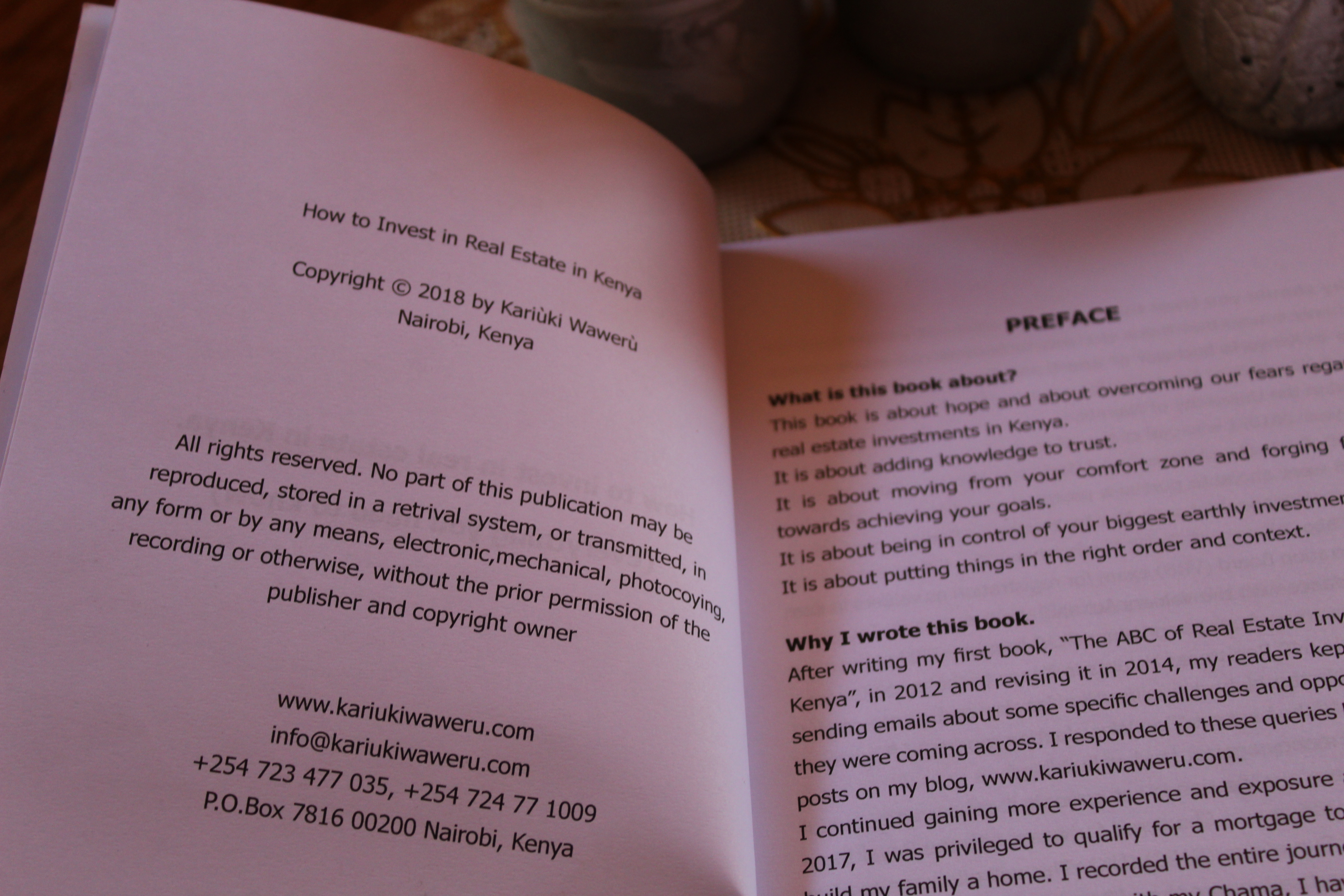
On this post, we celebrate and feature one of Kenya’s Registered Valuers, Kariuki Waweru. He has written an invaluable book on How To Invest in Real Estate in Kenya. This book has a wealth of information on how to invest, tips on home ownership in Kenya and how to navigate the confusing world of loans and mortgages in Kenya. Mr. Kariuki was kind to answer my questions on his book and his publishing journey. Let’s take a look!
1. What is the most favorite question you’ve ever
gotten from a reader?
I have had people who are at the verge of making a decision on real estate investing and when they ask questions, I direct them to the book. (How To Invest in Real Estate In Kenya). It feels good to have all the answers to their questions in one book. Feels like the motto for Nakumatt, “ You need it, we’ve got it”.
2. Did you
always want to be a published author?
I didn’t always want to. My first article was on whether to buy a car or a plot? I was dating my then fiancée, now my wife, and I needed to convince her that land is a good investment but I also knew that a car can earn one some extra cash… so I thought I should write down my arguments and see. I did that and she was very impressed. She encouraged me to keep writing and I wrote so many articles which I could send to her. She then encouraged me to start a blog, which I did. It’s now called www.kariukiwaweru.com … I then extracted some articles from the blog to publish my first book and extracted some more to publish my second book.
3. What
prompted you to write, ‘How to Invest in Real Estate in Kenya’?
After publishing my first book in 2012 and revising it in 2014, I realized that there was a gap in the market for a more practical book. Between 2016 and 2018, I went through a practical hands on experience of taking a commercial bank loan, a mortgage, buying a plot, building my family a house and investing in a commercial property for rental purposes. I blogged about this journey, the lessons learned and these came to refine my consultancy journey and made me a more practical consultant. I compiled all the experience and lessons learned and came up with this book. This book has everything you need to know about home ownership, commercial investments, loans, and mortgages set in a Kenyan context by a Kenyan Registered Valuer and consultant.
4. What is your
most memorable experience as a Registered and Practicing Valuer in Kenya?
It took me 13 years from the time I joined the University of Nairobi as a first-year B.A. Land Economics student to becoming a Registered Valuer. Getting that title was my highest professional achievement and a culmination of dreams… it was a dream come true. Later on, seeing my name published in the Kenya Gazette alongside the less than 600 valuers in Kenya since Kenya got its independence was also one of my greatest achievements.
5. You have published two books, that is, ‘The
ABC of Real Estate Investments in Kenya’ and now ‘How to Invest in Real Estate in
Kenya.’
a. What has your publishing journey been like?
I have learned a lot. There is a need to keep reviewing your work, get good editors and designers, and most importantly a good person to print the book. My first book was poorly printed in downtown Nairobi and I had to redo the printing and change the layout and design in 2014. In this current book, I have used very well-established printers and designers (which is quite costly) and I have not regretted the outcome.
b.Which book was easier to publish? The first or the second?
The second was easier as I knew exactly what I wanted and how to go about publishing, editing, and marketing.
c. What challenges, if any, did you face the first time, and were they present the second time around?
The challenges from the first time were using
inexperienced designers and printers to do my work. This cost me a lot in terms
of money and time.
6. What is your
view on publishing books in Kenya?
I think we should immortalize ourselves by publishing books.
7. What advice would you give to someone hoping to publish his or her first book?
The longest journey starts with a single step. Start writing. Start a blog… your readers will critique your work and you will be a better writer. Once you are ready, talk to someone who has published before and learn from them how to proceed.
8. Lastly, will you write another book? What do you think the title will be?
God willing I will write many other books. Ng’ugi wa
Thiong’o has more than 15 titles under his name…I have 3…I’m just getting
started.
The titles normally come after the content is done…so I don’t have any ready titles as yet.
Elly in Nariobi’s Thoughts:
It is always so inspiring to see an author’s journey in to publishing. If you’re wondering if the journey is possible, I hope Mr. Kariuki’s answers are enough to let you know that yes, it is. Whatever your idea, fiction or non-fiction, you can get it published in Kenya.
How to Invest in Real Estate in Kenya is a great addition to your bookshelf.
1. Because it simplifies the process of purchasing land, navigating mortgages, and helping plan for the future in terms of real estate investments.
2. All the content is based on Kenyan experiences. I always feel we need more professionals sharing, and demystifying their industries for Kenyans, as Mr. Kariuki has done.
To purchase this book: The book goes for Kshs. 500.
Are you curious about what it’s like to be a Comic Artist and Graphic designer in Kenya?
I’m excited to feature Humphrey Osoro who fits both of these titles. There was a time I thought I’d try to be a comic artist ( manga-ka – CLAMP had inspired me at the time) but the drawing talent was missing and I definitely prefer to read them.
So, I’m beyond excited to present this interview from Humphrey who has worked to realize the dream for himself. I hope his answers inspire even more comic artists in Kenya.
Q. Who is Humphrey Osoro?
A; I’m a comic artist and graphic designer based in Kenya. I make comics on the side and do my graphic design work as my day job. I’m a simple guy really, I love anything comics. Anything that tells stories just gets my attention: whether it’s movies, a good book or even a good work of art.
Q. So, why comics?
A. Growing up, I dabbled a lot in traditional art forms and in creative writing/storytelling. Once I got good at both, I wanted something that could combine the two and comics did that for me. Comics allowed me to combine my artistic side with my writer side. I was now able to use my art to tell an actual written story and since then I’ve been hooked on it.
Q. You’re a Comic Artist. What is it like establishing yourself in Kenya?
A; Being a Comic Artist here in Kenya is very different from another Country like let’s say Japan. Over there, they have Otaku Culture, which is this strong following around their manga (Japanese comics) and anime artwork. It’s a little easier to kick off a career as a comic artist and all this is possible because people are aware of what manga art is and they appreciate the value of it. Those guys are basically rock stars in the art world in Japan. Japanese – owned companies like Viz Media who run “Shonen jump” and many others have capitalized on this and they sponsor these artists. They also give new upcoming artists opportunities in their magazines by running their work in black & white, only giving them coloured runs when they prove successful with the masses. This system works very well there, the artist gets paid his due, people get to read good content, everyone’s happy.
In Kenya, the picture is a little different. It’s harder to establish yourself here. Comics just started getting popular recently, so not many people even knew what they were. Some can’t tell the difference between a comic book and a cartoon strip in the editorial newspaper, so it’s a bit of an uphill task trying to explain what it is you’re making. Most really just think that comics are meant for kids, which isn’t the case. Comics these days are more targeted at adult themes like crime, passion etc. They address such a wide variety of topics as opposed to a few years ago when they were exclusively limited to children’s themes. It’s the younger generation that grew up watching these cartoons on TV, like myself, who make up the bulk of the current comic readers and artists. These people are the ones who appreciate the true value of comics. They recognize that comics are like movies, just in picture form. These are the readers that give me hope that the industry is heading in the right direction.
Giving up gets you nowhere. People will eventually start taking notice of you if you stick around long enough. You’ll start getting calls and gigs you never thought you’d get. The beauty of it is, not everyone has the patience to make a comic, so count yourself lucky, they’ll look for you specifically. So hold on, keep cranking out some art!
H. OSoro
Establishing oneself as a comic artist here in Kenya is a bit of an uphill task, though once you do, it’s really rewarding. You really have to be patient as it doesn’t happen in a day. Anyone willing to take on this behemoth of a task should be willing to take the untraveled path. If you’re an introvert like me, then be prepared to polish up those people skills. You’ll have to hit the ground running, reach out to other comic artists in the industry, learn from them but don’t expect too much from them (They’re also struggling as much as you are, just at a different level). In short, its a labour of love, you do it because you love the craft, money will follow in spades.
Speaking of money, don’t quit your day job just yet. Because no one knows who you are, chances are no one will be willing to give you any commission. Most of the Kenyan mindset is of the opinion that western stuff is better than the locals, which is true, but only because those guys got a chance to shine. They were all beginners like us, it’s just that someone listened. If you don’t aggressively market yourself, you’ll never get anywhere here. Prepare to be ignored online, receive cold stares when you make proposals and many more of the stuff I can rattle off the top of my head.
But, its not all gloom, there’s a light at the end of the tunnel. Get inspired by other people when you’re down. I recommend reading Elaine Kamari’s post on Self Publishing here in Kenya in her blog “Elly In Nairobi”. Everything was so much clearer and easier after reading that, so give it a chance. Giving up gets you nowhere. People will eventually start taking notice of you if you stick around long enough. You’ll start getting calls and gigs you never thought you’d get. The beauty of it is, not everyone has the patience to make a comic, so count yourself lucky, they’ll look for you specifically. So hold on, keep cranking out some art!
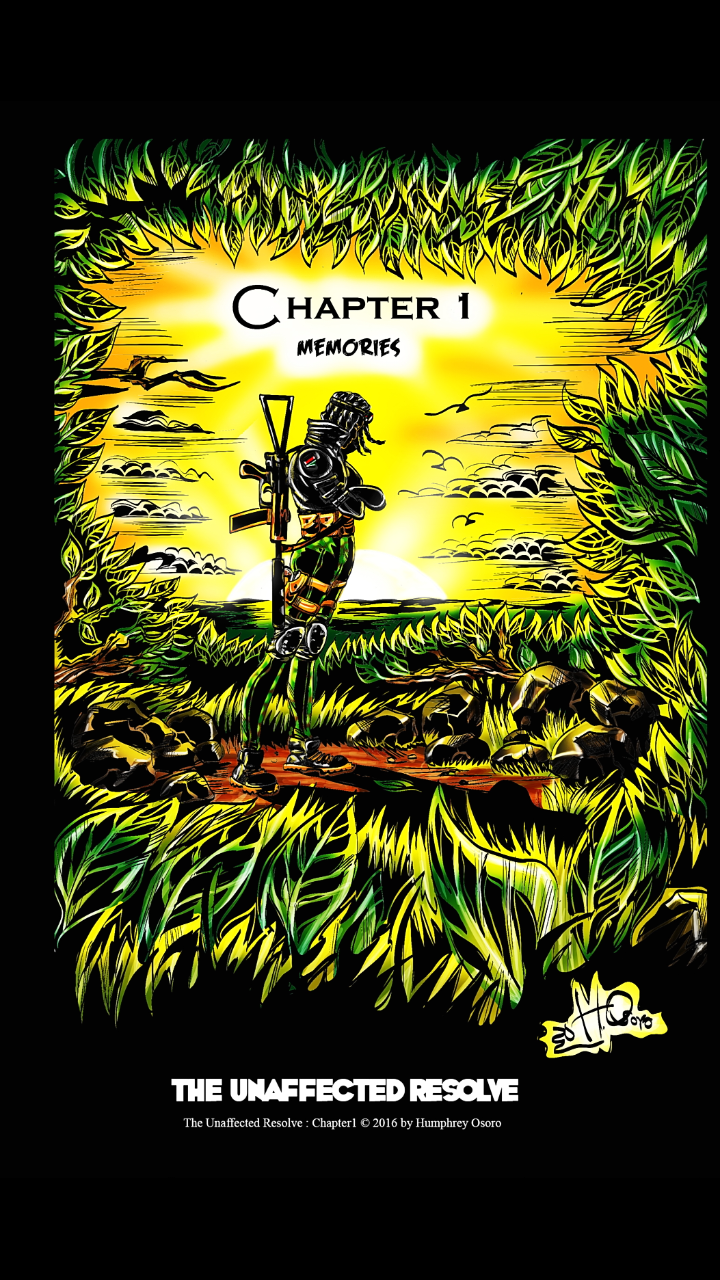
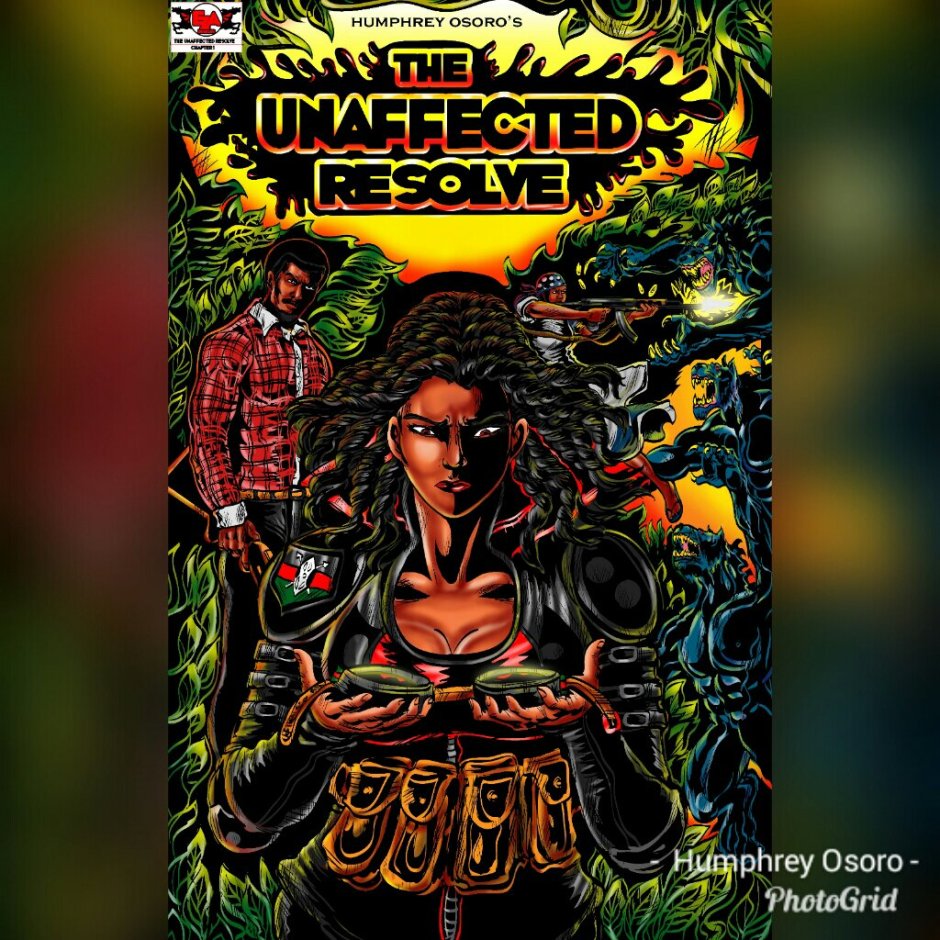
Q – The first 30 pages of your comic, The Unaffected Resolve- Chapter 1 are released at 254Comics.com. Will you release Volume 2 at 254comics too?
A; Yes, definitely! The book is actually more than just those 30 pages, I released those because they were the ones already done in colour. It’s actually 114 pages long. Yeah, I know. That’s a LOT of pages. Well, when I began making the book, I decided I would create the thing until I finished the whole of Chapter 1. I’ve written dozens of scripts for “The Unaffected Resolve”, they’re a total of 11 Chapters for the first story arch. Each script has more than 24 pages of words in it, which in a comic made up of pictures and those words translates to almost 100 pages. 100 is the magic number because I’m targeting at creating a true graphic novel of “Resolve”. Each Chapter will have at least 100 pages so that at long last they can be compiled together into a 500-page graphic novel. My inspiration is the likes of Graphic novels like “Akira” in Japan. Now that one has 600 plus pages!
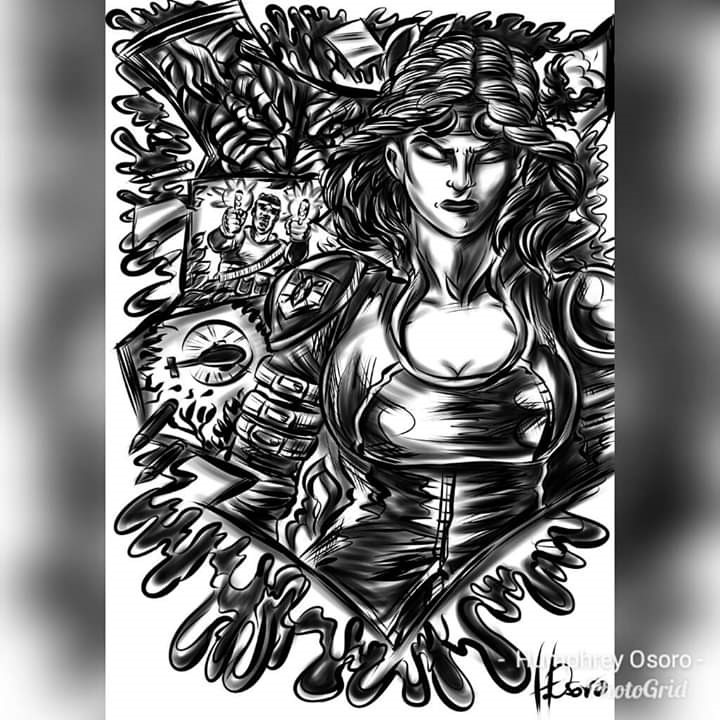
Right now, this comic book is finished, though in black and white. I’ll release the rest slowly as I keep colouring but you can head over to 254comics and read the first 30 pages in all its full colour glory. Stand by for a review of the book here by Ellie, It’ll be a detailed review of all 114 pages so for those who want to get an idea about it, stay posted right here. Though here’s some bonus art for Chapter 2 that’s currently in the kitchen! Completely reworked art-style for chapter 2!
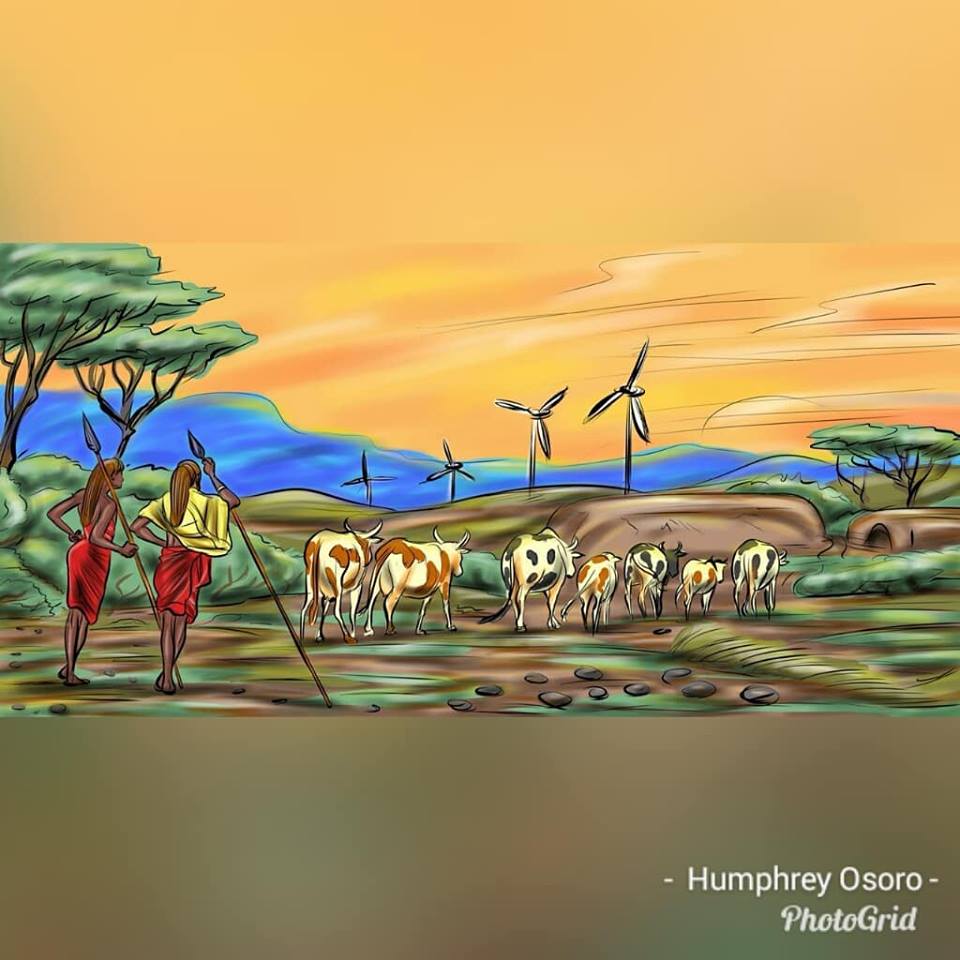
H. Osoro Art – Unaffected Resolve – Chapter 2
Q. You’re also an
illustrator, what type of commissions have you taken on since your start?
A; I’ve done so many of them so far. I used to dabble in the
traditional pen and paper collisions whereby someone wanted a hand-drawn piece.
I still do them but only exclusively because of how taxing they are.
I also did a lot of painting on canvas for clients and friends.
These were really enjoyable, seeing a mess of colours come together into a nice
final piece of art is just so satisfying.
I also do book illustrations. I’ve worked with publishing companies mainly on children’s illustrations. These are done digitally and require a completely different kind of art style. My style is usually highly detailed and complex, so having to make them simple was a nice fresh change for me.
H. Osoro
I also do book illustrations. I’ve worked with publishing companies mainly on children’s illustrations. These are done digitally and require a completely different kind of art style. My style is usually highly detailed and complex, so having to make them simple was a nice fresh change for me. I do these in a cartoony kind of style that will appeal to the kids. The biggest book illustration project had me handling 65 coloured pages. I was able to crank out 10 pages a day at the time so within a week I was done. It was challenging but it taught me a lot about sticking to deadlines.
I’ve also handled logo design, business cards, banners, strips, posters and other stuff relating to Graphic Design. I’m a Graphic Designer by profession at the Nation Media Group at the moment, so I do the normal graphic stuff like making advertisements, proposals, posters etc. It’s been an eye opener on what it really takes to be a good Graphic designer. So anyone looking to be an effective Graphic designer, try applying there and see if you’ll get lucky. The deadlines and pressures at work really prepare you for when you have to deal with clients in your illustration hustle. Overall, it’s the illustration type of logos and designs that really pique my interest. I find these make full use of my talents as a human being. I get to combine both Graphic Design and my love for illustration.
H. Osoro art
I can say that as long as I can remember, I’ve been doing comics since the beginning. I did them for my high school magazine back at “Friend’s School Kamusinga“. It was a piece called “Demolishon” that addresses many of the negative vices in society. I still do it today, so make sure to check out my Facebook page & other media platforms. I finally undertook a personal project to create my own comic book back in 2017. It’s called “The Unaffected Resolve”, go check it out at. There’s nothing more I enjoy like making comics, it’s like seeing a movie in your mind and your hands are there to translate that to paper.
In comics, I’ve done comic pages for a couple of clients that I really can’t name due to non-disclosure agreements. I also offer some of those comic book services to fellow artists whereby I do inking of your basic sketches and colour them for you at an agreed fee. A good example of this, is a good friend of mine, he’s called “Kimzy Flimzy” on Facebook, go check out his art. We collaborate on a couple of gigs when he’s really busy and I step in to help out so we can beat the deadlines, so big thanks to you bro if you’re reading this!
Q. What is your
creative process like? Do you have a
favorite spot where you must work? Or a
favorite pen?
A; My creative process is simple. It usually starts out with
me just closing my eyes and playing out a movie in my mind. I see the
characters, I see them alive, breathing , talking and moving about. From here
when I grab my pen to sketch them out it’s easier from there.
When I’m down on creative gas, I just put everything down
and let loose. Play a computer game on my PlayStation, ride my bike on a
mountain run in my area because there’s so many cycling trails over here or
just get down and do some exercise.
My favourite pen is the good old blue “Bic” pen. The ones we all used in high school and campus. I was that kid that looked like he was paying attention but if you looked closely, you’d always find me sketching. I sketch everyday. I found that by doing this, I was able to master movement of my characters by not being too rigid in my drawing approach. So yeah, get a trusty pen, doesn’t need to be blue like mine!
Q. What would you say
to aspiring comic artists and illustrators in Kenya?
A; First, nothing comes easy. You want to be a comic artist? Then be prepared to be a jack of all trades because if you only know one thing, then chances are you won’t succeed. Take the time to learn other forms of traditional art, learn the basics of proportion, colouring and more. All these will apply at some point when you’re working on your book.
Second, consider learning some basic Graphic Design. You ask, “Why?” Well, because comics are essentially picture books at the end of the day. This will equip you with knowledge on layout, formatting of your book since chances are no one around you knows how to format a comic book. (The dimensions of a comic are different from your average book on the shelf.)
First, just have your comic ready. Finish it. At least in Black & White because you need to have something to put in front of your potential readers. From here, market the hell out of your book through various channels available such as blogs, social media platforms etc.
H. Osoro
H. Osoro art
Third, be assured it’ll take some time before you get your name out there. First, just have your comic ready. Finish it. At least in Black & White because you need to have something to put in front of your potential readers. From here, market the hell out of your book through various channels available such as blogs, social media platforms etc.
I could go on and on but at the end of the day it depends on you. How badly do you want to tell your story? Because I know you didn’t get into comics to just make money, you had this story in your head you wanted to share with the world. You do it because you love the craft, even when you’re paid peanuts. Now that’s true passion right there. I know I did, so what about you?
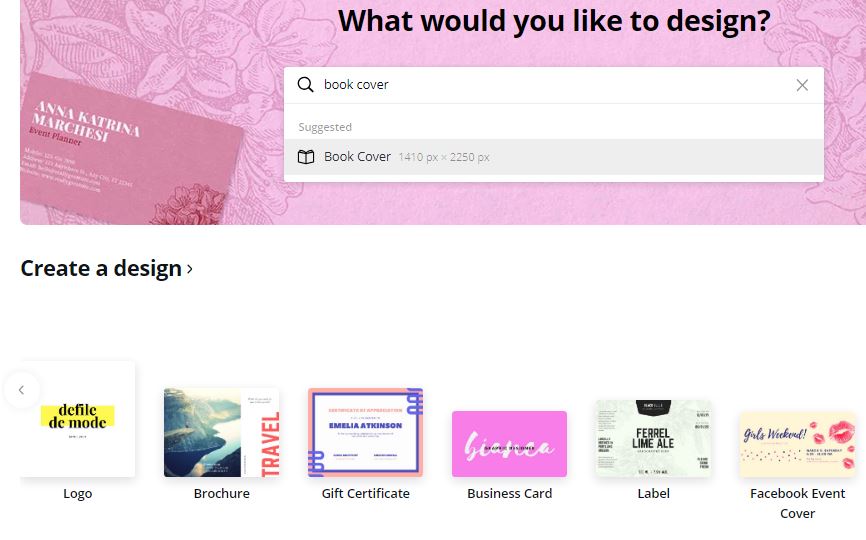
Canva is an invaluable design resource for posters, social media posts, advertising and logo designs. They also have a very awesome book cover design feature with great results. If you need a book cover, fast, and don’t know where to get it, try out Canva. It costs you an email and time to sign up for an account.
Adobe Spark is another great resource. Their concept is similar to Canva, if you can’t find what you’re looking for on Canva, maybe you’ll get it on Adobe Spark. I use both for social posts. The interface is easy to use, and you can save the cover anywhere you wish.
This is my favorite. You get a lot more freedom with creative decisions. It does require a longer period of time to learn, but once you understand the basics, you are able to create a decent book cover, in any shape and size. ^_^
Use these to create and format books and book covers. You’ll need time and patience to grow expertise with these. If you’re willing to learn, your book cover issues will be a thing of the past. Indesign is especially great for book formatting.
Hire an Illustrator for your cover
5. Get Your Cover Designed for You
This is a really great choice especially if you want to print your book. You can get someone to design a book cover for you. The advantage to this is that you get original artwork. The artwork will match your content, as you work with the illustrator until you’re satisfied with the result. Alternatively, you can purchase a ready-made book cover design from a graphic designer.
Below please find profiles on two Illustrators based in Nairobi.
The standard cost for simple illustrations, pricing starts from Kshs. 5,000 and complex illustrations start at Kshs. 7,500 .
Wanjira
From Wanjira
My work is primarily done using digital techniques and inspired by everyday objects and subjects that challenge me in drawing. My style is heavily influenced by printmaking techniques and the use of a limited colour palette. If you would like to talk to me about a project, please get in touch.
email: kinyuakelly@gmail.com
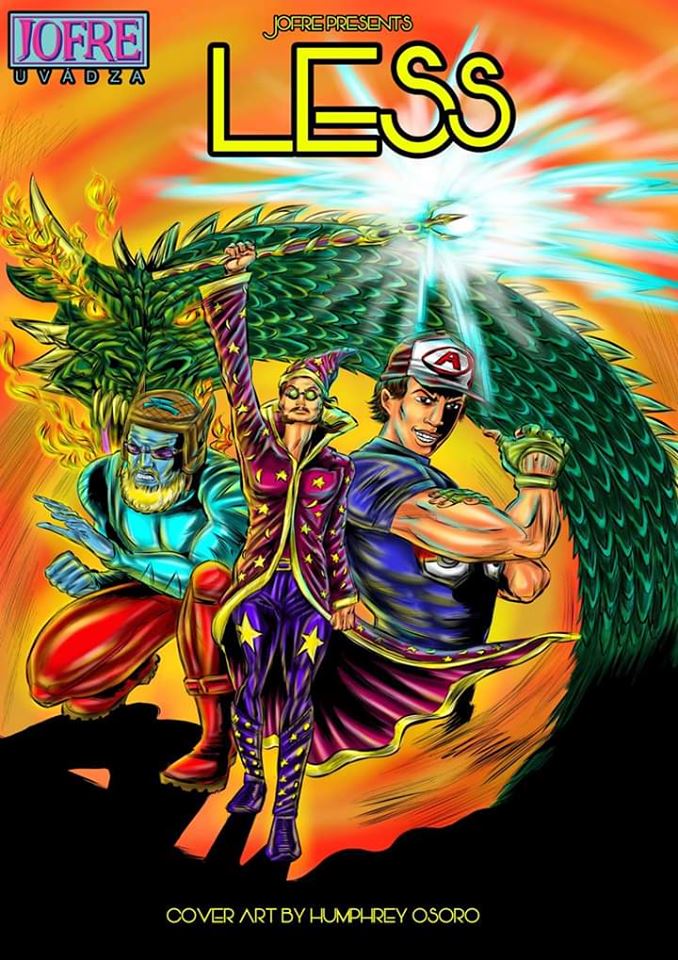
Humphrey Osoro of Humphrey Osoro Illustrations. Humphrey is a comic artist and graphic designer based in Kenya. He has a comic running at 254comics.com called the Unaffected Resolve. Make sure to check it out.
Coming Soon: Watch out for a feature on Humphrey Osoro on this blog!
If you know an illustrator who creates book covers do share, and we can create a list of Book Cover Illustrators to reach out to. If you are an illustrator who can create book covers, share your information as well. Authors are looking for book covers.
I hope these five ideas are of use to you on your journey to creating wonderful book covers.
A reader sent me a message and told me, ‘ I have a THING for words. I have been low-key writing for a while now, and I think it’s time the world gets a piece of my taste and style.’
Inspired words if I ever heard any! They have me making a post on this blog when I’ve been low-key M.I.A and zoning in the land of uninspired-let’s- Netflix ‘n’ Chill-mode. So, thank you! Elias, for getting me thinking.
That message followed up with a question. Where do I start? What do I do next? My answer is, ‘Arm yourself with information.‘ There are two roads in this: Traditional Publishing Road and Self- Publishing Road.
Each one has its own set of intimidating challenges, but you’re in this now, don’t back out now. Let’s arm you with information instead, and you’ll know your options.
What is the Traditional Publishing Road?
Traditional publishing includes getting your book published by an existing Publishing House, either Local or International. Please note that each publishing house has a set of guidelines on the type of content it publishes. It is important to know what type of books a particular publishing house is producing before you think of sending your manuscript over. Knowing saves you a rejection before you even start.
Here are examples of Publishers that are based in Kenya:
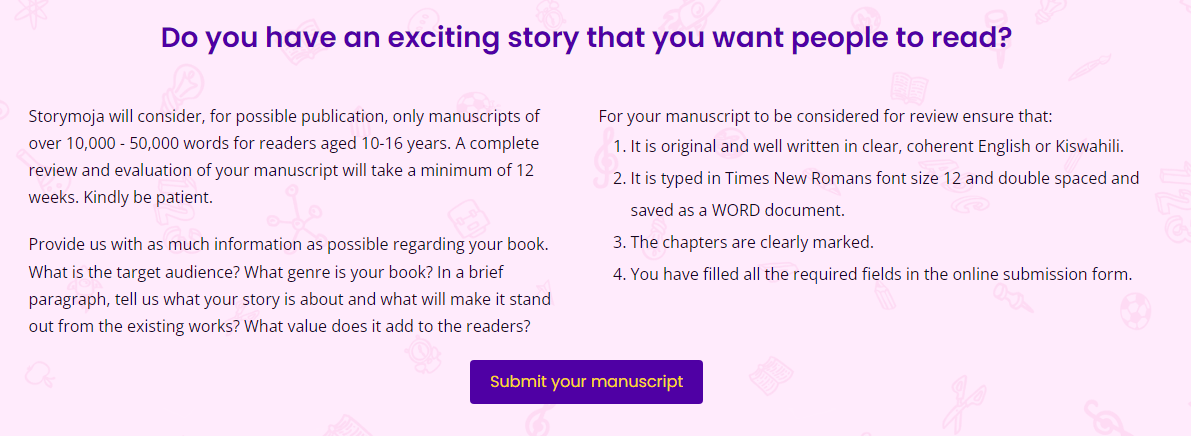
Storymoja will consider, for possible publication, only manuscripts of over 10,000 – 50,000 words for readers aged 10-16 years. A complete review and evaluation of your manuscript will take a minimum of 12 weeks. Kindly be patient.
East African Publishers – They write a complete guide for your submission and what to expect. Please note the types of books they publish listed on the side.
Every manuscript that is sent requires a minimum of twelve weeks to be properly assessed and evaluated. After a manuscript is assessed, the author may be sent (a) written report(s), or be requested to appear at our editorial offices for a verbal discussion on the work, or be asked to react in writing to the report(s)
Moran Publishers – This site also has clear directions on how to submit your work for consideration. Please read their submission guidelines carefully before you submit your synopsis.
Moran (E.A.) Publishers Limited focuses on printing Educational material, Novellas, e.t.c Moran does not accept full manuscripts. We accept a synopsis of the manuscript and chapter samples.
There are loads more not mentioned above. Do your research and get to know them. To note, Traditional Publishing in Kenya is very heavy on education and storybooks for young children and schools. Creation of set books, etc. If you’re thinking of publishing poetry and fiction novels, your life will be full of interesting experiences. Be prepared for it.
To boost your chances on your journey into Traditional Publishing, you can also send out queries to a Literary Agent. I will be honest and let you know that Kenya is sorely lacking access to these. (Here’s a call out to genuine literary agents willing to work with Kenyans, please set up shop already. Kenya is eager. ) The few I’ve heard about led to horror stories of being paid before they read your work, with no guarantee of publishing. Ouch!However, here is some hopeful information on Literary Agents from Kenyan Writer Alexander Nderitu.
Why is Traditional Publishing so Attractive?
The idea is that you write your manuscript, send it to a publisher and if they like and accept it, they will pour their considerable resources into marketing your manuscript, with no effort or little effort from you. Acknowledge that, Traditional Publishers have access to wide networks of brick-and-mortar bookshops, readers in schools and institutions, and know market trends better than anyone. So yeah, they are an attractive ideal. You need to work hard as ever to make your manuscript remotely attractive for consideration. Deal with it! That’s not going away.
Let’s move on to the next road.
What is the Self-Publishing Road?
The first thing I told you here is ‘Arm yourself with information’. Why? The writers I know have all chosen this road, and have gotten results by learning how to do this right. We shall start with Digital Publishing, as it seems to most, to cost the least. Truth is, cost is relative! Your product is only as good as what you’re willing to put into it.
Digital Publishing includes selling e-books in different formats like PDFs, epubs for Adobe editions, .mobi for Kindle, and formats accessible by Apple products among others. It is the most attractive form of self-publishing as it places control in the hands of the author.
An author who understands that their work is a product, and therefore needs customers, excels in this form of digital publishing. Let me give you an example: I love examples, don’t you? No…oh, well, here is a good one for you anyway.
Writer A
Genre: Writes from the heart
Blog: – Doesn’t like to share content, so hasn’t tried blogging
Social: – Facebook sucks, Instagram is for kids, Trump rules Twitter, it’s not for me. What’s LinkedIn? Social Media is too hard.
Dream: I want to publish and be known for writing books.
Who do you think will sell more books? Writer A or Writer B?
Answer: Writer B
This is the reality of life today! You need to build a community around your work, as an Author, an Artist, a Musician, a business person, well I’m talking to Authors mostly, so I hope you get what I’m trying to say. It’s hard work to even get the numbers under Writer B’s social following. After which you need to keep up content that’s engaging enough to keep your followers, and have those followers interested in your work. (Don’t buy the follows, really that’s so 2017!) When you have them good and interested, drop your book for sale in all its available forms and watch some magic happen. You might sell 25 in the first week, and then you continue the grind of selling until you hit 100 copies sold. All this on a really good day! Digital Publishing costs you time, serious editing costs, and an attractive cover. (Yes, you need to invest time in editing. Seriously!)
Or, you can print your books!
Self-publishing is a great word in Kenya. You can provide your book in both digital forms and actual books. In Kenya, this depends on your resources, cash-wise. As I’ve mentioned before, printers come in all shapes and sizes. (The example in the link works for fiction books too.) Each Printing Shop has its own requirements, please take the time to discover the printer that will fit your needs best. You can choose to print 10 books of your poetry and/or fiction book or 1000 copies. After you print the book, your job now is to find customers to buy your books. Like Writer B, the wider your network, the more customers you gain, and the more books you sell. Be a social bee, a busy bee.
The challenge, find time in all your busyness to write your next book.
A Note on Digital Publishing Platforms like Amazon and Smashwords.
I am a BIG fan of Do-it-Yourself. I mean that, even at home, you know when kids write on the wall with permanent markers and every adult is having a blowout. I don’t worry. Do you know why? I’m very capable with a brush and paint. That wall will look as good as new with the right paint. Simply keep the paint handy at home…the writing on the wall will disappear. Hahaha
Break out the calculator! It’s all about the Word Count!
I have had a few questions about what the process of self-publishing a physical book in Kenya looks like. What does it take? How much does it cost? So, let’s calculate the cost of printing a book in Kenya in this post.
This is a question you need to ask yourself the moment you write the last word on the last page of your work.
If your answer is yes, then seek aBeta Readerbefore you find anEditor. Beta readers are test readers. Your first test reader. You can have one, two, or five, have them read your work, and let you know what they think.
A good beta reader will give you valuable feedback. They help you clear your mind, and refine your thoughts as you want to lay them out in your book. They don’t mind having a discussion with you about your content, and they save you thousands, helping you refine your manuscript.
Listen to each beta reader if you get five, you can also have just one who really gets you, and that is also important.
Best places to get a Beta Reader:
A Friend/family with the same interest. Someone who will not coddle you, and is honest about your masterpiece.
Join writing groups or critique circles. Be warned, you might go through a few groups to find the perfect fit.
Find your right Beta Reader fit. The person who makes you comfortable enough to discuss your work and how to improve it for the better. If you are not relating with your Beta Reader, stop and seek a new relationship. Sort of like dating…hahaha, get your right fit.
Cost in this part of the process:Your Time. Beta Readers are beautiful souls if you find someone willing to gain experience in reading/editing, it costs you nothing cash-wise but work and a willingness to listen to your beta reader.
Once you are satisfied your work is ready, find an Editor.
2. Invest in an Editor. There is no way around it. I’m serious. They are gold to your work. Find someone willing to work with you, and if you find you are not melding with your editor, please, stop and find someone who is singing to you. That way when they yell at you about the commas you keep adding in the wrong places, you won’t hate them for life.
Our cost in this process was as follows: Cost: 0.20 cents per word, or Kshs. 45 per 250 words. (We had about 35,000 words in the manuscript the end cost was Kshs. 6,300) The service included the following:
Proofing for spelling mistakes, typos, punctuation problems, capitalization errors, and awkward grammar. The overall structure of the manuscript. Which includes managing your content flow, word choice, and clear narrative, and offering research help to ensure situations and scenes are factual.
The process took a little over two months as we worked to ensure everything was just right. Inputting time for Re-edits, and general discussions among all involved. Quite a process. When it was done, it was time for the cover.
3. The Book Cover– The first cover for this book was simple. It cost Kshs. 500 to design. I had taken on the role of publisher at this point, so we had numerous chitchats, and we weren’t looking for something expensive. It was an industry book, one we were testing out, so that’s about how much we felt it deserved at the time. We printed 50 books to start, but more to come on the printing. Here is the first cover. Pretty basic, but it was the first, and so still proud of it.
The second cover we worked harder. It cost about Kshs. 2,500, and it now included the ISBN barcode. Very proud of this one as well.
What to know during the book cover process: Understand your budget, and the person working with you, and what kind of book you want to sell. This creation process took a week, though with the second cover there was a lot of back and forth, going almost to two weeks.
Now: The first cover had no ISBN and we had not even gone searching for copyright, so those costs didn’t factor in. However, it’s good to get copyright and your ISBN the first time you get published. So, here are the ISBN and Copyright Costs.
A Note on Copyright Registration in 2024: The Kenya Copyright Board now has a Copyright Portal that allows you to complete this process much easier. The cost has also reduced from Kshs. 1,000 to Kshs. 100. Register an account and make sure to copyright your complete manuscript including the book cover.
In total our book costs were as follows:
First-time Print:
Editing – Kshs. 6,300
Book Cover – Kshs. 500
Printing – (Kshs. 180 x 50) = Kshs. 9,000
Total = 15, 800 (We sold it at Kshs. 500)
We weren’t happy with our first print. Pages misprinted, and arranged wrong, about 10 of the books were given for free. So, that first time was a bit of an experience.
Second Printing
Re-editing – Kshs. 2, 000 (There were a few changes we needed to make)
ISBN – Kshs. 1,500
Copyright Costs – Kshs. 1,000
Cover – Kshs. 2,500 (including the ISBN bar code)
Printing – (Kshs. 180 x 50) = Kshs. 9,000
Total = Kshs. 16,000 (We sell it for Kshs. 500 still, but now all we need to do is reprint for restock)
A very generous and kind client of ours shared the Publish4All contacts with us. A simple email actually. (p4akenya@gmail.com). He said they print really well and this book would come out so well with them. They were really fast to respond, and very helpful. So, that’s how we redesigned the cover and sent the book to Publish4All for second print. The end result was amazing and they even helped us sort delivery, becoming our perfect fit at last.
Do note that Publish4All requires you to have your book edited and formatted for print, as well as formatting the book cover for print. You can reach out to them and learn more. Remember, word count is key. The larger your book, the cost rises as well.
So, this is the process of printing a non-fiction book in Kenya. The end product has 102 pages, and the cover, pages neat and sealed to perfection. You have a snippet of the costs to get you through a first print. Be brave and try and get something printed, it’s the only way to know what works for your work.
Sis proudly spreading the news! She’s awesome.
With the book in hand, the rest is marketing in all shapes, forms and sizes.
Before the first print, we had walked all over Nairobi trying to find the best printer. There was a printer who had the best product, but wouldn’t take our book without us printing 500 copies in one go. Imagine our shock, that was a low, because we really liked their work, but couldn’t afford all those copies at once. So, you shake it off, and keep looking. We went to the second, and a third, I think we found the first printer after talking to six printers.
I believe it depends on the amount of money you are hoping to spend, and the end product you are hoping for. So, shop around, don’t be in a rush, just be sure to have all the information you need before you start investing. That is what this process comes down to. An investment in your manuscript.
Then, start marketing like the end is tomorrow.
Please note, that the costs mentioned above were quoted according to our book size, and word count in 2018. As you seek your printing costs now, keep current economic fluctuations, such as inflation, in mind. I hope this post is of insight to you. I will work at compiling an editors in Nairobi list that you can use for your editing process.
Dust sifted in a fine cloud covering her forehead. Cera closed her eyes fast, tasting fine red soil on her lips. She blinked away dust and continued her climb up the steep cliff. Fingers grabbed at roots and jutting rocks that felt sturdy enough to hold her. She wedged her foot into crevices, always reaching. She climbed up, her muscles straining with effort, ignoring the pain, gritting her teeth, she pushed harder.
Her right hand went up, fingers closed over a thick branch, and she gasped when the branch broke off. Her heart slammed against her chest when she slipped, her left hand gripping the rock she held tight. She flattened her body against the cliff to keep her balance. Her right hand searching for another hold, she sighed in relief when she held thick roots.
Cera took in a deep breath to calm her beating heart. Holding on tight, she risked a glance down the cliff. Her best friend, Jeri, stood in the clearing below. Beside her, Cera’s little brother lay on a kanga unconscious. There was no one to fight for him but Cera. Their parents were long gone. Cera was Ken’s mother now.
Cera could barely see them below. The fall down would kill her. Cera closed her eyes bringing her attention back to the roots she held. She couldn’t fall to her death here. She still had so much to do.
Shaking off fear, Cera continued her climb. Legend was a tree of life grew on top of this cliff. The tree bore a single fruit each year. One that stayed ripe for months. The juices of that fruit brought life to the sick and the dying. Many had attempted the climb, very few ever made it to the top. Cera was determined to be one of the few.
Her brother was ill. The doctors in their village could not help him. Cera had spent the better part of two years trying to find a cure for Dan with no results. Now, her brother could barely wake up: he slept too long and she worried that he was slipping away. She could not bear such a loss. Being left alone in this world…Cera shook her head refusing such a reality.
So, she climbed.
Not stopping even when her fingers got damaged, and her muscles got weak. When she felt her strength waning, tears tracking down her dusty face because her arms and legs hurt, she worried she might fall off, she reached up and her fingers found nothing. She looked up to find clumps of grass and she used them to pull herself up. Her heart skipped with relief when she came up on a flat plain, green with lush grass. Unable to stand, she rolled to her back, then crawled to her knees, her gaze on the majestic tree in the middle of the clearing. A purple fruit grew low on the bottom branches. Hers to take, hers to give to give to her dear small brother.
This was a short story submitted for a flash fiction thing. Enjoy it!
A burst of inspiration struck this afternoon. We collected shells on the beach during a trip to Diani, and we had this huge bag of shells we didn’t know what to do with. Anyway, the inspiration came from browsing pinterest, and finding these great seaside jars made over at Completely-Coastal.
So, got to work collecting glass jars in the house. Impromptu arts & crafts, hahaha.
Made quite a mess of it at first.
Memories in a Jar!
But the end result looks awesome. These are now going on the bookshelves. Memories in a Jar!
All in all, a productive Saturday afternoon…at least it was a great save for the shells. Hope your Saturday was great!
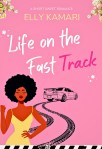
Up next, Life on the Fast Track – 22. Jasmine is to face Dad and make a stand for her little brother! Oh boy!
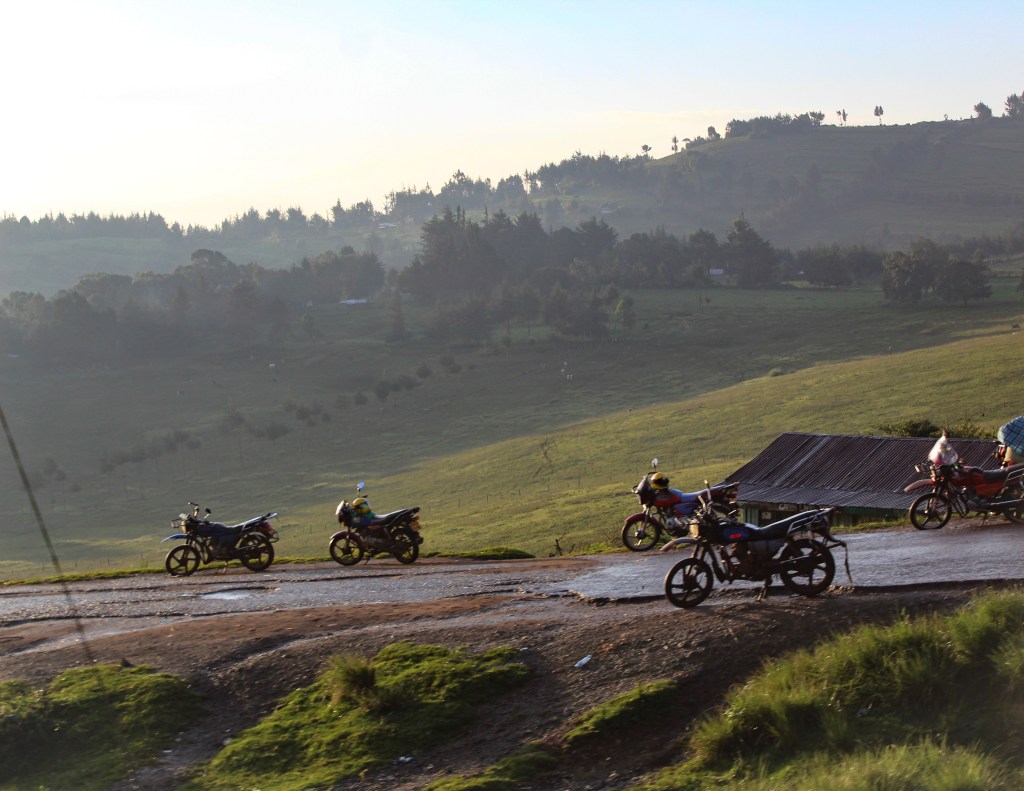
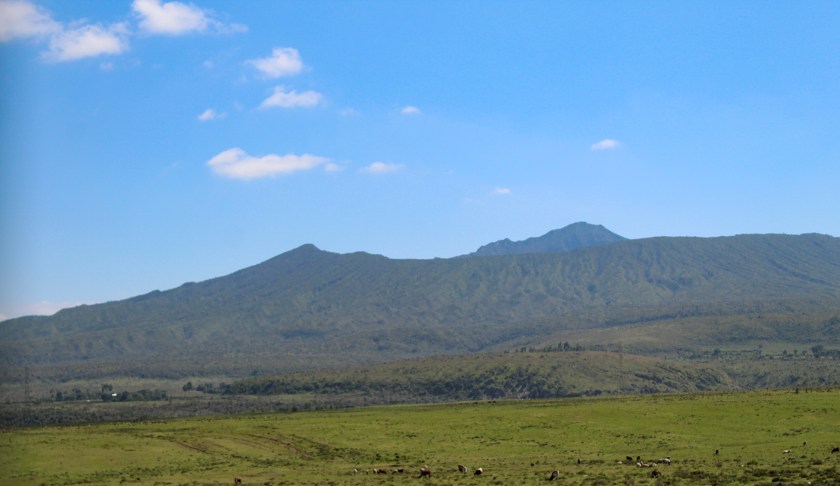
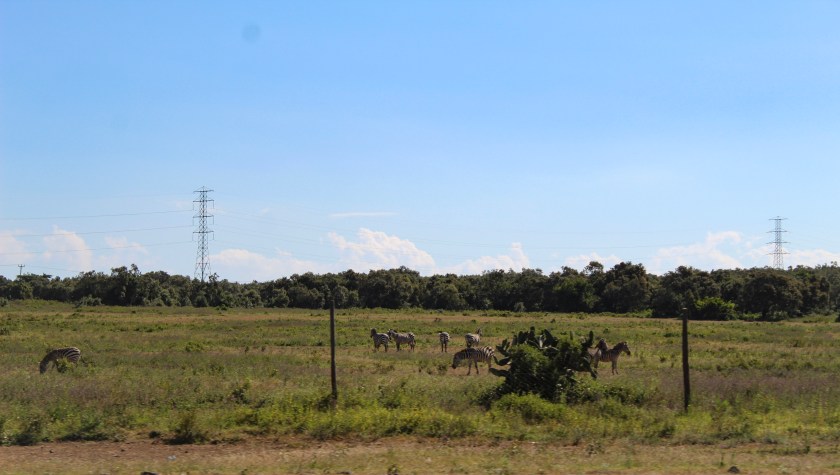
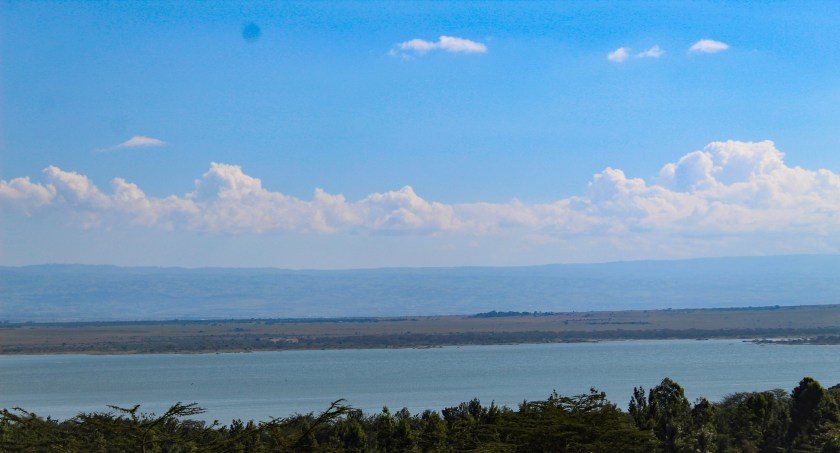
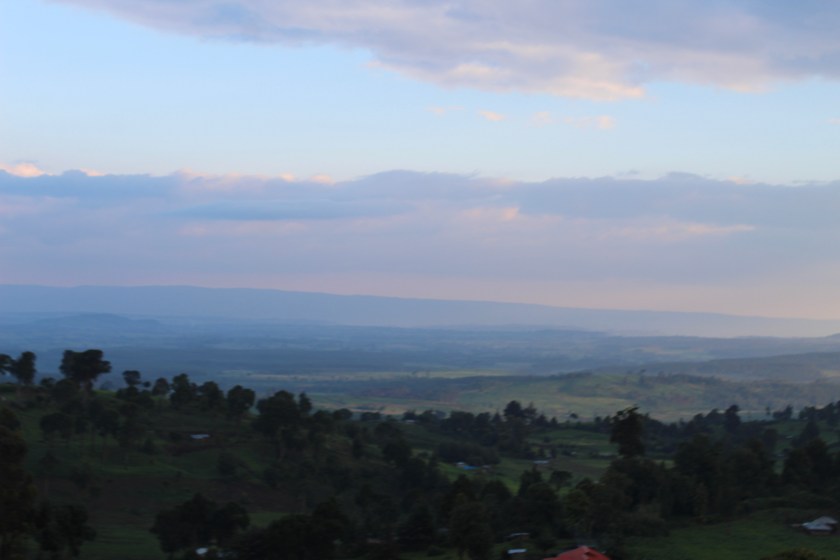
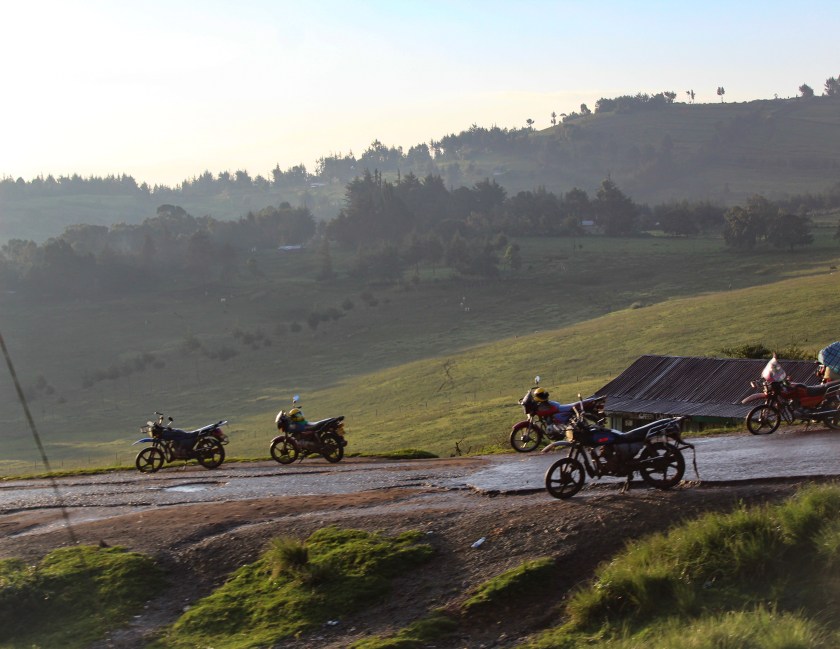
Took a road trip to Eldoret, KE this week. There were so many pictures that I thought it’s best to just share them on the blog. So, here are sights from our beautiful, lush countryside!
A world inside the Rift Valley
The Great Rift Valley
Great Rift Valley
always meet them having lunch, hahaha!
A lake to purposely visit
The sun painting the sky.
Where did the riders go? ^_^!
Shades of Sunset Gallery.
We were heading west, so each town tended to have it’s own moment.
I was in charge of photos for the trip…caught this selfie moment among the three ladies doing baking training at our destination.
I’mma take a selfie!
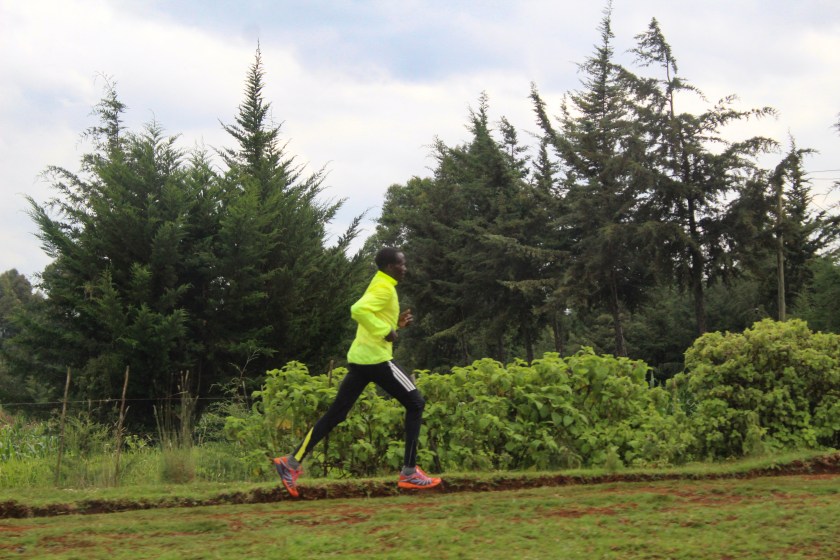
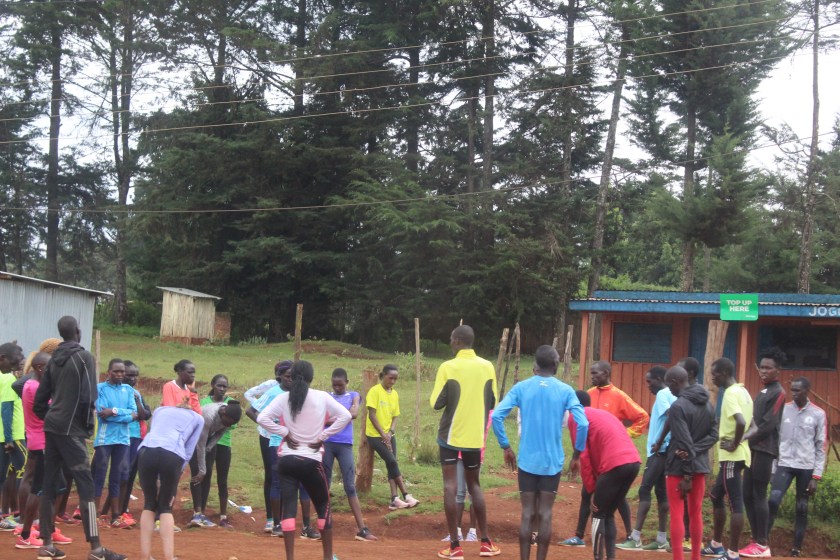
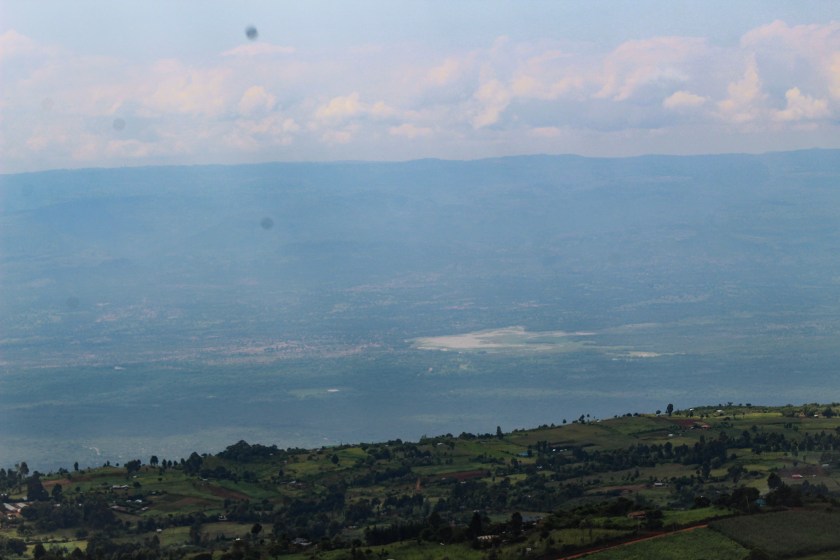
Checking out the Kerio Valley in Iten. Home of the Champions!
Training hard to run for KE
Massive Kerio valley!
Along the way, caught sight of this billboard and it made my day.
I had fun on this trip, collected quite a few stories. Until next time.
Reader Question: What self-promotion tips result in high sales?
I got this question on my blog, and it had me thinking, of course. When I first started writing, I felt a little bit a lot like a fish out of water. Gasping for air, with no real idea on what to do next. I know what it’s like to feel as though you have this need to keep writing, but have no real solid foundation to make it a workable financial solution for
your life. In short, this question filled my head on a constant when I started.
Two things to remember :-
Yes, when you start, you will need to find other means to fund your life until your book turns out sales that satisfy you. If you haven’t already.
Yes, you will need to invest in your book to make it a success, and a product worth purchasing.
You cannot escape these two things. Once you have understood that, and accepted it, now we can discuss self-promotion and sales. I’ll explore three options today, and post the rest next week. I’ve been on a writing binge, and want to post fiction the rest of this week…hehehe.
Tips on Self-promotion that will lead to High Sales!
Great Content – I stress this every time I write about self-publishing. Take the time to evaluate your work. Discover your strengths, your weaknesses, your opportunities, and your threats. Yep (SWOT) coming at you.
Did you choose a topic you know? A topic you love and are passionate about? Do you sound convincing? Can the reader trust you when they read your book? Are they going to fall in at the first page, and not regret getting straight to the last page? If you answered yes to all of these questions, hey, you’re working on your strengths. If not, find a way to do just that.
Your weaknessesare found by your editor, your first fan, the person who reads your work and makes suggestions. Listen to them, and find a solution.
Threats are your competition. Whatever book you have written, or are thinking of writing, there is an author three steps ahead of you. Search them out, seek them out, read what they have done, learn from it, but don’t plagiarize. ^_^ What you learn, use it to improve your own work.
In one bundle, make sure you are treating your content like a high quality product. You want to provide your readers with the best content possible. Polish it, edit it, get a great cover and blurb, enough to entice readers at first glance.
Build a Strong Platform– To be truthful, this is a challenge. I won’t lie and say it is easy to build a place where you have people running to read your blog, facebook page, twitter, instagram, or your book sitting on the bookshelf in the shop on the first day. It takes work. Hard, daily work. Some days are great, others not. The key is not to stop. Now that I’ve said that, let’s get into it.
Platforms are a central placeto find your work, and all about your work, and you, the author. I chose a blog because it was easiest for me. I love writing and sharing ideas. I don’t mind sharing fiction, so most of my stories can easily be found on this blog. The readers I’ve gained have found me through this blog, which then shares my content to my social accounts: Facebook, Twitter, or Instagram. This blog is my strongest platform. You can have a different platform. Just have one place your readers can get to know you and your work. Here are a few examples of writers with similar platforms. Peter Nena, Dilman Dila, there are more, but these two remain constant favorites for me.
You are your marketer. Share your work with people you meet in person, in groups you join. Let people know you are writing, where to find your work, and how to access it. I’ve said before, I prefer Smashwords as they are really great at getting your work in more online bookshops, as opposed to Amazon’s exclusivity. You can also choose to explore Kenyan online bookstores like Magunga.com. Connect with brick and mortar bookstores and see if they will carry your book, or even bookmarks directing people to your site. Run an ad on Facebook/Instagram, see how many people get to know about your work. Remember that you are the PR team, and share your work constantly. Don’t be discouraged if one idea doesn’t work out, get back to the drawing board and explore another.
Converting to High Sales– The first two parts of this list build a community around your work. Your goal is to make this community love your work, so much, that when you publish your next book, they won’t mind paying for it. Your main job is to grow this community, nurture it, and they will, in turn, support your work in ways that will truly surprise you. This is why you need more than one book, more than one story, more than one of all that you do, to build readership.
As with every plan, there are small goals in between the growth process. Some of those are:
Get readers to review your work if you have already published. Reviews are a great way to get people to know that your work is worth a look. I bet before you buy a book on Amazon, nook, etc, you check out reviews to see if it’s popular.
Join communities that focus on your chosen topic. Fiction writers choose genre communities to find readers. Non-fiction writers choose their industry to find readers.
Social media is a great place to start the conversation. Tweet it, gram it, facebook it, page it, if you have the camera, make videos and youtube it.
Start a podcast, and build a following.
Don’t keep quiet, and talk about it to friends, make small business cards to share when you go to meetups. The amount of chamas (groups) people join in Kenya come on…share your cards with everyone there. They will check it out for curiosity out of the five curious, you will get two who will turn into fans. Fans buy books. Just think, If no one knows, how can you sell?
Going back to the start, make sure you have your work edited write right. Your readers will love it if they don’t have to work at reading it.
I hope this is helpful to you. If you have written a book, and self-published it, don’t hesitate to share it in the comments below. I love sharing stuff…great place to start right?
Fantasy and romance fiction every Friday, book chatter every Tuesday.
232 posts
0 followers
Follow Stories and Book Talk
My Profile
Paste my profile into the search field of your favorite open social app or platform.
Your Profile
Or, if you know your own profile, we can start things that way! Why do I need to enter my profile?
This site is part of the ⁂ open social web, a network of interconnected social platforms (like Mastodon, Pixelfed, Friendica, and others). Unlike centralized social media, your account lives on a platform of your choice, and you can interact with people across different platforms.
By entering your profile, we can send you to your account where you can complete this action.











 branch broke off. Her heart slammed against her chest when she slipped, her left hand gripping the rock she held tight. She flattened her body against the cliff to keep her balance. Her right hand searching for another hold, she sighed in relief when she held thick roots.










 As with every plan, there are small goals in between the growth process. Some of those are:
 Stories and Book Talk