From the river Nile to the teeming streets of Cairo, from the indigenous, pre-Islamic Egyptian Coptic civilization to an America struggling with its fear of the Arab world, Shenoda’s poems recall the sacred traditions of an ancient, enduring culture as they widen the political conversation surrounding ethnicity, pan-Africanism and pan-Arabism. This notable collection spans generational, political and cultural divides, providing a nuanced perspective virtually unknown in the West.
...
There will come a day when they say:
who do you think you are
and another day will come
for you to tell.

On that day the story will appear
but do not tell of yourself

tell the story of the staff that blossomed in the desert
or the one about your enemy’s greatest victory

tell the story of somewhere else...Read This Poem
Excerpt of New Cairo
…I stand on the balcony, staring
Withdrawn from this poverty by a mere Generation,
Then I remember
Great Grandmother used to say:
“If you throw salt away
God will make you
Pick it up
One grain at a time
with your eyelashes”
Take a moment and just imagine what it would take to actually collect salt one grain at a time with your eyelashes. Yes, there would be tears, what an impossible task, you’d say. At first, I laughed at the idea of Great Grandmother’s statement, but then you think about it and it’s eye opening. If you’re desperate you’ll do it, right? You’ll find a way to collect that salt with your eyes, but what a painful process that would be. So, don’t throw away a good thing…hmm…
Mathew Shenoda writes poetry with a deep love for heritage and culture. There is always that sense of go back, think about where you come from, how it has shaped you, why you are this person today. I think this book reminds me to remember where am from and where I belong. Where is home? What does that word mean really?
Time changes, as it must, we all change, but even with change, stop and embrace what your past is, how you’ve gotten here. What were your ancestors’ hopes, one day you’ll be the one they’ll call ancestor.
Smashwords is a global ebook distributor serving authors, publishers, readers and major ebook retailers. Smashwords is ideal for publishing novels, personal memoirs, poetry chapbooks, short and long-form fiction, and non-fiction. If you’ve written it, we want to help you share it and sell it! We distribute books to Apple iBooks (51 countries), Barnes & Noble, Kobo (which powers the bookstores of multiple other retailers such as FNAC in France and WH Smith in the U.K.), Flipkart, Oyster, txtr, Baker & Taylor (Blio.com and the Axis360 library platform), and others.
Smashwords.com is an e-book self publishing site. Smashwords distributes e-books to a wide network of online retailers, mobile app platforms and affiliates. They have 3 catalogs:
1. Premium Catalog – Every author aspires to get their e-book in the premium catalog in smashwords. This means that your e-book is distributed to major global online retailers. These are:
Apple – Ibook stores available in 51 Countries
Barnes & Nobles – US and UK market
Kobo Bookseller
Page Foundry – (Inktera.com, Versant.Com as well as Android e-book store apps for Cricket wireless & Asus)
Baker & Taylor Blio
Txtr
Flipkart
Oyster
Scribd
Amazon – (Limited distribution for books that reach over $2,000 in sales)
To get books in the premium catalog, your e-book needs to have a quality book cover image, a proper copyright notice, and an ISBN no. The author should also format their book according to theSmashwords Style Guide. Smashwords have a program that runs your document and if any errors are found then the book doesn’t pass to the premium catalog. Some of the errors include, having multiple font sizes, inconsistent line spacing, lines overlapping one another, multiple successive paragraph returns to arrange text…etc…All these can be fixed if you go through the Guide.
2. Standard Catalog – This is the Smashwords catalog. Your e-book should satisfy the copyright and content requirements found in the Smashwords terms of service. Your book is available on this catalog the moment you upload and publish it to the site.
3. ATOM/OPDS Catalog – This catalog is for all major mobile app platforms. Your book is available to millions reading on their phones. Sample distributors include Stanza on the iPhone and Aldiko on the Android mobile device platform
How to get started:
2024 Updates:
Please Note: Smashwords.com has been acquired by Draft2Digital.com. All new authors now need to register into Draft2Digitital.com to sell their books on the smashwords.com shop. So, if you're hoping to get your books on smashwords.com, please check out Draft2Digital.com.
Firstly, Register for an account with Smashwords.Com. Go through the set up process, as well as the payment registration. This means you need a Paypal account too if you’re planning on selling the books. If you don’t want to sell the books and only want to share them, then finish your Smashwords registration. There are 3 Smashwords Accounts
– An Author Account – This is for an author self-publishing his/her books
7 Things to Know Before Publishing on Smashwords in Kenya
1. A Finished Story – Polish your story, until you’re satisfied it can be read by others. Download the Smashwords Style Guide and make sure your document is formatted according to the instructions in the book. This is really important as your .doc is then turned into different types of e-book formats. If it’s formatted wrong from the start, your book won’ t make it to the Premium Catalog.
2. A Title for your story – Make it unique, and eye-catching.
3. A Book Cover – Smashwords needs a good quality cover, usually a cover with a 1,600 width and 2,560 height. The minimum width should be 1,400. Make a pleasing cover.
– A Description of your story – This is the synopsis of your story. That short paragraph behind a book makes you want to read it. Write one that fits your story.
4. Smashwords Categories – Smashwords classifies their books into the following categories: Fiction, Non-Fiction, Essay, Plays, and Screenplays. These categories are then broken down into different genres. So if you’ve written Fiction, you should choose a category of fiction, that is, Romance, Mystery, Thriller, etc.
5. E-Book Formats – This is the part you must understand to get your book into the premium catalog. It’s also why you need to download the Smashwords Style Guide. Smashwords allows you to turn your book into different formats. They are:
E-pub – Widely used by readers on Apple Ibookstore, Sony, Kobo, Barnes & Nobles, and Aldiko. It’s the most popular format, and if your .doc fails to pass through the Smashwords check, you get autovetters because it failed the e-pub check. The Smashwords guide can help you sort out autovetter errors. If you have issues, check the Smashwords FAQs and you’ll find your answers.
Sony Reader – LRF Format
Kindle’s .Mobi
Palm Doc (PDB) – Used by readers on palm pilot devices, Windows Mobile Pocket PC/Smartphones, Symbian OS, and Palm OS.
PDF Format
RTF Format – Rich Text Format
Plain Text
You can choose all formats, or choose certain formats. The file you upload should be a Word Document with a .doc extension. Trust me, this makes it easy for you.
6. ISBN No. – To get your book in the Premium Catalog, you need an ISBN. Now, Smashwords offers FREE ISBN Nos. You can assign a Smashwords ISBN no. to your book. If your book previously has an ISBN, Smashwords allows you to assign it to your book.
Write a Book, Publish It
7. Pricing and Sampling – So, you’re in Kenya, and you’re wondering how to deal with pricing your e-book. After all, Smashwords only does Dollars. Yikes! This was a challenge two years ago, but PayPal and Equity Bank recently made a deal that is making life easier for all of us online business people. ^_^ So, whatever the content of your book, if you can market it, then, by all means, price it and make extra money. The minimum price you can set in Smashwords is .99 cents. (Edited) If you manage sales of more than $10 a month, Smashwords pays the money into your PayPal account at the end of the month. As for you accessing your money in Kenya, Paypal works with Equity Bank…read more here.
2024 PayPal Updates:
It is now easier than ever to access your PayPal funds. You can withdraw to Equity Bank, or use Mpesa. Get your royalties easier from smashwords.com or Draft2Digital.com.
If you have all of the above, you can hit Publish after agreeing to the Smashwords publishing agreement.
You can pursue this avenue if you’re thinking about writing books. The best part is that once you publish the book, leave it to circulate in the different online stores that Smashwords ships to for years. Don’t unpublish it because then the book loses momentum. You can publish Fiction or Non-Fiction books. Don’t forget to market the books offline and online.
It is a fiction classification based on content, setting, and mood of the story. A book may fit more than one genres but most times a story leans to one type of genre.
Make a Choice of Genre
Why is it important to choose a genre when you write Fiction?
Choosing a genre helps you focus your writing. It gives you a niche to concentrate on, instead of writing for everyone, you write for a specific target market and it helps you market your book easier after publishing.
Types of Book Genres
There are many different types of genres. When you choose one, learn all you can about about that genre, read other authors who excel in the genre, then get to work.
Book Genre List
1. General – This is a book with no particular theme.
2. Action and Adventure (For kids and teenagers)
3. Anthologies – Stories compiled in one book without any particular theme
4. Biographical – If you have a stunning life story that must be told, this is your genre
5. Religious – Your story may have a strong religious theme, maybe focused on faith, or morals. Basically, an exploration of a life with religion. Your imagination, your story. This genre can have the following sub- genres:-
General
Fantasy
Futuristic
Historical
Romance
Suspense
Cultural
6. Coming of Age – These stories are about finding yourself, leaving home, or finding out what you want to do.
7. Contemporary Women – Stories about women, think Maeve Binchy
8. Cultural Heritage – These stories are mostly about culture, tribes, once again let your imagination go wild
9. Dystopian – Usually these stories feature an end-of-the-world-as-we-know-it theme. Think the movie I Am Legend with Will Smith, the Host by Stephanie Meyer
10. Fairy Tales/ Folk Tales/ Legends/ Mythology – My grandmother used to tell us stories about ogres who ate children when they did bad things when we visited her in her rural home. She’d scare us that if we did something bad, that ogre would come get us when we slept. Terrifying but that’s enough fodder for this genre. Other ideas are like Cinderella, Maleficent…create your own.
J.K. Rowling’s Harry Potter
11. Fantasy – If you love Harry Potter, this is where those books lie. This genre has different sub genres as follows:
Contemporary
General
Dark Fantasy
Historical
Paranormal
Urban
Collections/Anthologies – These should have a specific theme
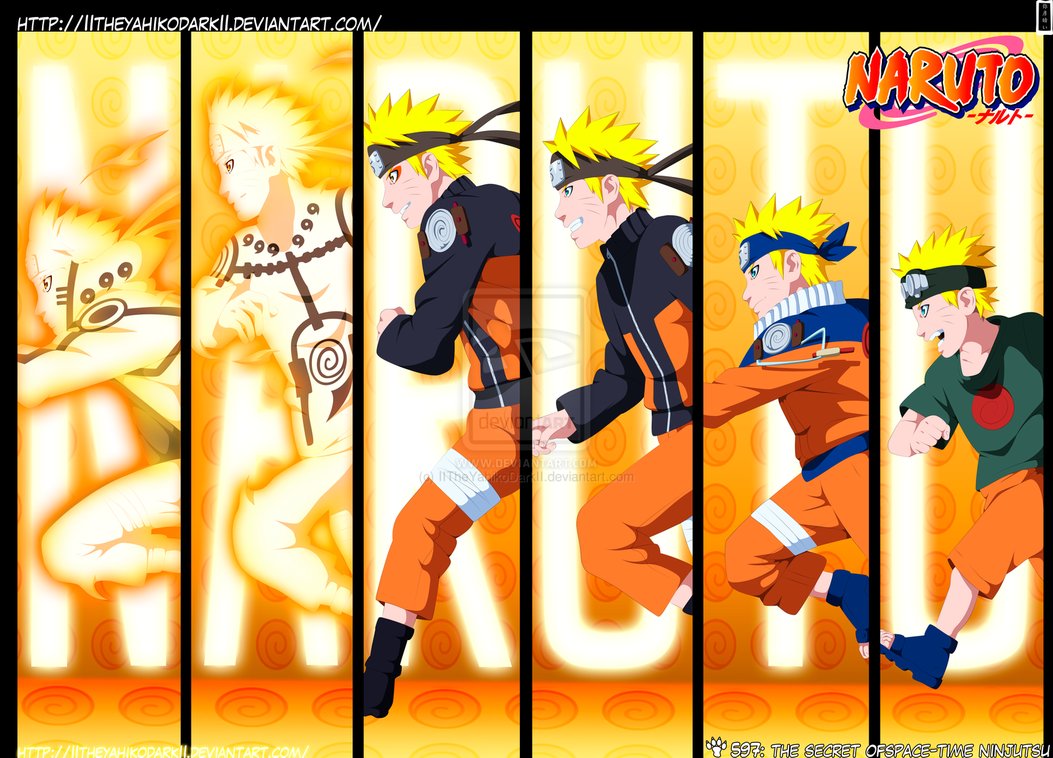
Photo courtesy of the iiYahikoDarkii from Deviant
12. Graphic Novels – (Comics) If you love drawing and don’t know what to do with it, this is a good idea. Make a character, and story. They’re very fun to read. I love them. Most popular graphic novels are Bleach and Naruto.
13. Holidays – Stories about Christmas time, New Year’s Day, Valentine’s Day and so forth…
14. Horror – Think Stephen King Novels. Scary stories that won’t let readers sleep at night.
15. Humorous – If you have a great sense of humor, translate it on paper, write a funny story.
16. Legal – I think the person who’s done this the best is John Grisham.
17. Literary – For the more serious writer, Moby Dick/ Chinua Achebe/ e.t.c. such great minds. Are you up to it?
Iris Johansen’s Eight Days to Live
18. Mystery/Detective – Who-Done-it theme. These stories have sub-genres that give them such a diverse range.
General
Collection & Anthologies – These must have a theme related to the main genre
Historical
International
Police Procedures
Private Investigators
Women Detectives
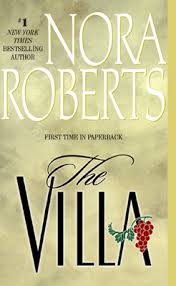
Nora Robert’s The Villa – A mixture of romance and a family saga
19. Romance – I’m partial to this genre. You don’t have to go for the soppy romance story, you can add a sub-plot to add to the story’s texture. Sub- Genres are as follows:
General
Collections & Anthologies – These must have a theme to them e.g. lost love, Nairobi romance, e.t.c.
Contemporary
Military
Fantasy
Multi-Cultural / Interracial
New Adult
Paranormal
Romantic Comedy
Science Fiction
Mystery – Suspense
Historical – Think those rebellion days before Kenya’s independence, or even further in times of the chiefs, so much fun to be had here, spark your imagination.
20. Thrillers – Bring your readers to the edge of their seats with chilling stories, adventures across the country that leave you shivering. Sub-Genres include:
General
Crime
Espionage
Historical
Legal
Medical
Military
Political
Supernatural
Suspense
Technology
How do you choose a Genre?
Your interests rule your decision, don’t tackle a genre you don’t understand or dislike. If you are partial to horror stories, then learn all you can about that genre and bring your take on the topic to the table. If it’s romance, learn all you can about the different sub-genres, and find where you’re most comfortable. There are people who are great at creating the intricate plots found in a Thriller novel, and those who can sustain the emotional suspense found in a romance novel. Explore your interests, and find what genre captures your imagination.
Do you have to choose a Genre?
When you go to the supermarket to buy baking flour, you find different aisles, each with a specific product. There is the sugar aisle, the bread aisle. e.t.c…since you don’t want any of that, you go straight to the flour aisle. There are different companies selling baking flour, but you have that one particular brand you like. So, you walk up to it, and take it with you. If you have time, you might browse the other aisles, and choose a different item. If not, you go on to the check out aisle and go back to your business.
Fiction writers should equate the book industry to a supermarket. Choosing a genre is important because no matter what, readers have different tastes. You cannot write for every one. You’ll find people who only read thrillers, and nothing else. You’ll find those who mix different genres. When Readers walk in to a bookshop, or browse books on amazon, they are most likely to seek a book in the genre they like most. If it’s romance, they’ll explore all the sub-genres in that category and never move anywhere else. If it’s mystery, they’ll look for the different types of mysteries offered out there. If you don’t choose a genre, readers might never stumble on your book.
Elly in Nairobi Thoughts:
You might have to explore a few genres before you find the one that fits best. Don’t get discouraged, and make it a fun exercise. If you choose a genre, find out who the big hitters are, read their books, find out why readers love their stories, and then get to work on your own interpretation of that genre. Don’t copy a particular author’s style, because you’ll burn out very fast. If you find a genre you like, at first you might tailor your stories like your favorite author’s style, but please, work at finding your own style. Then your muse won’t stop talking to you.
Learn your Genre, Love Books
The purpose of this list is to show a budding writer the diversity of fiction. I hope Nairobi Fiction Writers will jump in and write in some of these genres, to add more titles on the shelves.
You’re a writer if you fill notebooks with stories and random thoughts that could be stories.
If your laptop/PC is full of files of stories you’ve written.
You wonder why publishing can’t get easier in Kenya.
You get jealous every time you see that Saturday story running on the dailies and wonder why it’s not your story and how you can be that person….^_^ You know you do.
So, now we’ve established you’re a writer. (So that we’re all on the same page, the writer I’m talking about is one who writes Fiction)
The second question is, Are you any good?
The word ‘good’ is relative. Readers have different tastes. The world of fiction has different genres. There are those who are partial to a particular genre, and those who can read from each genre. Wherever your story fits, you’ll find readers who think its good, and those who don’t. If you get readers who love your stories, celebrate! You’re entertaining someone. If you get readers who criticize your work, take it with a grain of salt then shake it off. Grow a thick skin and don’t stop writing.
Bad editing, however, does not make your story attractive. No one wants to read a story with glaring mistakes on every page. Work hard, spend extra time reading your story aloud and fix those grammatical errors. You may also ask a friend to check them for you, if you’re anything like me, if I read a page repeatedly; my brain starts auto-correcting errors. That means you’ll have a sentence that says knead, when you meant need, but you can’t see it. Pester the people next to you so they can read your work and catch those problems.
The third question is, How do you get published?
Traditional Routes are tough to follow in Kenya. Publishing companies have strict criteria when choosing manuscripts. Most times, you’ll feel like giving up when you send in manuscripts and you get no response.
Hey, that’s life. So, buck up! There are many avenues to follow. Get online and start publishing, the entire world is online, and there are no more excuses about how no one will read your work.
The fourth Question, How can I get an Audience?
Publishing online made simple. – You’re in Kenya, you’re thinking I want an audience, and I don’t know how to reach them. Maybe, you do have an audience, and want to expand it. The first step is to establish your identity online.
Start a Blog
I was in a meeting recently where someone mentioned that blogs are taking over the world. There are so many blogs out there, and that’s how most people get their voices heard. So, you, my dear budding writer, why don’t you have one?
Get started right now.
You can use WordPress, Blogspot, Tumblr, Flicker, and other platforms that allow you to Blog without cost. The goal here is to create your space. It will be a space filled with your words. It’s also a place where people give you feedback on your writing. Get noticed.
Don’t just write three posts and stop because no one has commented. I’ve seen people who quit writing their blogs. Please don’t quit. Commit to that Blog, and don’t stop.
Talk about your Blog, share your posts, get others talking about it too, through social media, also through your friends, and family.
Build a brand around your writing. If you’re confident in your work, others will be too.
Self-Publishing Your Stories
If you have written stories and they are typed up neatly, complete and ready for other people to read, think about self-publishing. First, ask yourself why you’re thinking of self-publishing.
Is it to make money? – This takes time, it’s doable, but it takes time. So, don’t quit your day job just yet. Making money through self-publishing means, you’re marketing your book daily, getting people to talk about it, and buy it. If you’re determined, you’ll get this done.
Is it for name recognition while you try to get a publishing house to pick your book? – Well, this takes work too. Time and work.
Whatever the reason, the first rule is not to stop at publishing one e-book.
The best marketing is publishing constantly. Don’t stop with just one title. Otherwise, you end up as the one none-hit wonder.
Be creative. A good story will sell itself.
Don’t stop learning. Research what other authors have done, teach yourself grammar, and spelling rules, learn what genres are, find your niche, and explore it. Don’t stop learning. When you think you’ve mastered writing, hit the books some more.
You’re in Kenya, there is loads of inspiration– The best part about our culture is that it’s so full of color. Don’t be afraid to explore it. Include the characters in your life, and you know they’re many who leave you wondering and asking questions. Turn them into fun characters in your stories, and highlight your culture.
My Humble Advice is Don’t stop, no matter what. This part is important, so important; I had to write it in red. ^_^. Don’t stop writing. Most budding writers encounter a lot of challenges that make them shy away from writing. It could be the pressures of life, and making money. You know what, that’s understandable, make sure your life is going well. But, don’t shelf the idea of writing. Carry around a notebook, and that spare moment you have waiting for the bus, or taking a break, jot down a few thoughts. It will turn into something more, and before you know it, you’ll have a bunch of stories.
Others stop when someone reads their work and they get negative feedback. Oh, this is not good. Oh, I didn’t like it. Don’t let such words stop you. I’ve had someone tell me that, and I made them tell me what they didn’t like. Was it the characters? Was it the story plot? Why didn’t you like it? Ask why, think it over, and then find a way to fix it. If the answers given don’t sound reasonable, then find a second opinion and a third. Just don’t quit.
In fact, when you get that negative feedback, it’s time to write even harder. Hit the books, research what others have done, and then get back to your writing desk, and challenge yourself to do better. Go to seminars, seek out fellow writers, join platforms and learn more about the writing industry. You’ll slowly find your voice and your niche.
So, are you interested yet? Get to it then! Start writing already!
A perfect night on the town turns out to be her worst nightmare. A date with a handsome man is the catalyst for events that she thought only happened in fairy tales. Thrust into a world of danger, Isabelle has no idea what is in store for her as the Light and Dark Fae fight over her future.
Isabelle Moreno is a young woman working her way through life, finding little time for love and adventure. Until she agrees to a date with a mysterious stranger, only to find out the secrets this man holds are something she could have lived her entire life without knowing. The Dark Fae Luck Eater has found something enticing in Isabella’s humanity.
Bain is an arrogant playboy and an Immortal Light Fae Warrior. He and his four brothers fight for the safety of the human race while remaining something of myth. After weeks of tracking the Dark Fae Luck Eater, Bain comes across yet another victim, in Isabelle.
Bain has finally found his match in this feisty human as she fights against him and her ever growing attraction to the Immortal who is bound to protect her.
Book Review:
The story starts with Izzy going on a date with a handsome man named Zander. This is her first date in a while, and she only agreed to it because her younger sister Marie urged Izzy to enjoy the last year of her twenties and put herself out there.
She’s liking this Zander guy and agrees to a nightcap with him, so off they go. In comes two warriors, Uriah and Bain, who are hot on Zander’s heels. Apparently, Zander is a vicious thief who steals luck from successful women. Why? Because he is a leprechaun and therefore Fae…for a moment, my mind flashes back to Lost Girl and the bi-Succubus who rules that town…lol…back to Immortal Blood. Poor Isabelle is saved by Bain and Uriah, but they were a tad late and she’s lost a lot of her luck. She’s falling on her face, almost getting knocked by a truck, and generally her happy date has turned into a nightmare as Bain and Uriah unveil great huge wings, that leave her disbelieving.
Now that Zander has her luck, Bain is tasked to protect Isabelle as Zander will want to come back for more. And because she refuses to leave with Bain, he is forced to stay at her house until she agrees to leave with him. Bain is a spoiled brat, a playboy, and the most arrogant man Isabelle has ever met, and because of that, she makes it a point to be as stubborn as she can be, when he makes unreasonable demands. The best part of this story is the dance between Bain and Isabelle. He likes her because she stands up to him, she does her best to counter his arrogant ways, and grudgingly likes him as she gets to know him.
I love the twist on the Fae world. I find the funny play on Vampires and Bain’s Immortal Warrior interesting. The writer paints her own take of the magical world, giving it an identity that’s refreshing and at the same time familiar. The plot is strong, and the characters lovable. I had no problem reading through this in one sitting. I’d recommend it to anyone who loves a good fantasy novel.
This post will help you edit and format your work as you write.
Grammar and Punctuation.
Direct Speech
a. We use speech marks (” “) at the beginning and end of the words that a person says, including the sentence punctuation. For example:
“Are you going home?” – The question mark is included in the speech marks.
b. When a different person speaks, we begin a new paragraph.
For Example:
“I want to eat spaghetti tonight. What about you?” she asked.
“Me too,” he said.
c. When the spoken words are split (as example below), as in, the spoken words are one sentence, but written in a spit form,
e.g. “Come back at once,” he screamed, “or I’ll have you executed!”
In this case, we put a comma before the first closing speech mark and after such words as said, shouted, asked, e.t.c.
If the spoken words are two sentences ( as example below), we put a full stop, exclamation mark or question mark before the first closing speech mark and a full stop after said, shouted, asked, e.t.c.
For Example:
“Come back!” she shouted. “Come back at once!“
So if you’ve written a story, your completed work should look something like this:
It had been a rainy day, she’d stood at the KenCom bus stop waiting for a citi-bus at around five-thirty in the evening. She’d been holding her umbrella tight hoping to catch an empty bus. Timothy had walked up to her and asked to share her umbrella. Too startled by the tall handsome stranger, she’d agreed. She’d bitten back a smile when he’d had to duck to fit under her umbrella. When he’d kept bending, she’d felt pity on him and handed him the umbrella. The fates must have been on her side because he could have been one of those that just run off with the umbrella.
“Where are you headed?” he’d asked making sure the umbrella covered her.
“Forty-six, my stop is in Kilimani” she’d said shyly.
“Great, we’re on the same bus. I’m Timothy,” he’d said offering her his free hand in greeting. “Timothy Limpo.”
“Janet Kerira,” she answered.
“Nice to meet you, Janet,” he’d said giving her a bright smile.
They’d sat on the same seat on the way home. They’d talked about the weather, moved on to business and what each of them did for a living.
The spaces between the dialogue allow the reader to understand who is saying what.
Further Reading: (Make sure to Further Read, because Grammar and Punctuation is a pet peeve for any Editor. They want you to know the rules, and know them well. It definitely makes editing your story easier so make a little effort.)
I got emails asking a lot of questions on how self-publishing works. How to do it, and why. So, I thought this post might answer all these questions at once.
Publishing in Nairobi, and I mean like getting a hard copy-honest to goodness paper book is a journey.
It requires your commitment to investment in order to get your book published into a physical book. Then there is the footwork getting bookshops to stock and sell the books, and then advertising to get readers buying your books. You may get lucky and get your book published by mainstream publishers in our country, but please note that this also requires effort as well. Especially for someone writing Fiction. Things might feel like the girl in the picture but don’t despair just yet.
Baby-Steps – Be Brave
1. Be confident in yourself and share your work. As long as you’re writing in your notebook and hiding your writing away, no one is going to read it. So, if you’re worried how everyone will react to your writing, start small, and test out your stories. If you’re reading this post, that means you’re already online, so Create a Blog. There are lots of blogging platforms e.g WordPress, Wix and Blogspot. All of which are easy to access. Post your stories, share them and get other people to read them. Share your site with friends and family, on Facebook, Twitter, Whats App, Instagram, make videos on TikTok, social media is so vast. Talk about your stories there.
2. The importance of step one is to give you a thick skin.People will read your work, some will love it others won’t like it. And that’s the truth. Now, the day you meet that first person who tells you that they don’t like your writing, you might think of scrapping that Blog and hiding again, but Don’t. Don’t do it, don’t scrap that blog, just take a deep breath, find your comfort zone, and the courage to ask that person why. If not, shake it off, because the same way you find that person who doesn’t like it, you’ll find a dozen others who do. Be sure to remember that you can’t please everyone. So my point is, grow a Thick Skin enough to take criticism and not give up.
3. If you’ve mastered the first two, you’re ready to explore the world of Self-Publishing. Your book is a product. Take it that way…find out who you want to write for (target audience), what genre you want to pursue, and get started writing. It’s not an easy industry, and you’ll have many sleepless nights writing a book, but if you’re passionate, then it should be a fun process. Romance, Mystery, Paranormal, Young-Adult, Contemporary, find out the meaning of these words when it comes to genre, and tailor your stories to it. And then buckle down for the process.
4. Obviously, the first thing to do is to Write The Story. Without a story…., what are you doing? Get to work. How many words have you written? Have you finished a story? No? Goodness! Finish it!
5. Once it’s written, find a good editor. Not someone who’ll put you down, but someone who’ll help you work out the kinks in the story. A good editor is one who’ll take your story and help you flesh it out. Work with him/her, Chapter by Chapter, checking Grammar, Style, Plot Holes, e.t.c until you’re both satisfied.
6. If you’ve gotten your work edited, it’s time to start Self Publishing. Things you need:
a. You need a Cover – You can do this yourself, or get someone good with Graphics to do it for you. Do your research and come up with an image that suits your story. Be Creative, and give credit where it’s due.
b. You need a Blurb– This is that paragraph you find in the back of the book.
c. Talk About It – Tell as many people as possible that you’re publishing a book.
d. Choose the Self- Publishing platform that suits you best. There are a few of them, and each one has it’s merits. So, here are your choices:
1. Smashwords – They offer you two choices, publish for free or put a price. So, that is up to you. They pay through Paypal after your sales amount to $10. Equity Bank offers a way to access your funds on Paypal. So just get a Paypal account and consult with Equity Bank for the rest.
2. Amazon – There is no choice for free eBooks here, so once you publish, you must give it a price. They pay you after your sales amount to $100 in the form of a check. (if you’re in Kenya) Once the check arrives in your mail, you get to cash it at your bank account as per your bank’s procedures.
3. Lulu – You can publish on Lulu. I’m not so sure about the payment, I’ll check it out more, to better understand the Process.
4. If there are more, let me know….
e. Don’t forget to Market your Book. Talk about it, share it, give it for free, get people to know that you’re writing and publishing. This is the most important part. Don’t stop writing! Don’t publish one book and stop. The best form of marketing is writing more, get as much of your stories published. (Don’t forget to make them interesting and entertaining, because if you’re publishing uninteresting stories, you’re going to have a hard time.)
7. You’re probably asking who’ll read your stories right? Don’t worry, there are lots of people online, in fact, the whole world is online and extremely curious. If you have a strong voice, and a compelling story, there are readers. There are also loads of people in Kenya who prefer to read eBooks online. There is no excuse to say that no one will read your work. There are people who will read your fiction.
Have you reached here?
Well, if you have and are inspired, I wish you the best. And once you get that blog running, or that book published, drop me a line. Strength in numbers right, I’ll share it with everyone I know, and in turn, they too will share it…you get the gist of it, self-publishing is about networking and getting as many people as you can to read your stories. It’s even better when your stories are amazing, coz then they sell themselves too.
I hope this long Post has given you some direction and I hope to read more fiction from you.
You need it in a story, and it has to have purpose.
Different types of Conflict
Man Vs. Man
Man Vs. Man is the most common Conflict. Your character having a villain in his life who just wants to cause trouble. This is the conflict used with most superhero stories, supernatural stories, and even mystery cases. Find out who done it.
Man Vs. Nature
I know you’ve watched 2012 or know the story. It is the best example of a Man Vs. Nature kind of story. Man surviving desert storms, the ice age(although I don’t think this is possible in Kenya…but hey, you’re the writer), Floods, Drought, e.t.c.
Man Vs. Society
This is the type of story that is about one person facing off with an entire society. They mostly occur in traditional settings, an individual challenging customary rules, and having a hard time because it’s a challenge to change an entire society. Most times, this individual may end up being the odd one out, and the story is how he/she handles that sort of thing. Examples of this are: Mandela’s Story, Martin Luther King’s Story, in Fiction – Avatar by Micheal Crichton.
Man Vs. Himself
This is the type of story I truly love because it starts out with the main character as the underdog and ends with him being the king of the jungle. Writers that pull off this type of conflict have a great story, one that is shared for ages because each one of us has something we struggle against in our lives. And the moment you stop struggling and master that thing, it becomes a source of triumph and achievement. Examples are like the Hellen Keller Story.
There are those who are able to mix all these conflicts in the story, making it complex and exciting. There are those who prefer to follow one simple conflict, which can leave you breathless as well. So, it is up to you to plan out your story using the conflict that most excites you and your plot. Just don’t mishmash it in there and make it confusing to your reader, take it slow and plan it out until it is believable.
I’m in a dream that one of these days I’m going to walk into a Nairobi bookshop and find a full aisle filled with romance novels, or fiction set in Nairobi. So all of you shy Kenyan Fiction Writers, typing away in the middle of the night in your houses, get creative, even though you have to self publish e-books online, until you can manage to get them printed. Don’t be afraid, and just write. Be Brave as Dora Okeyo and if you already have published, share the link so I can read it.
Today, I’ll focus on Romance Novels. I know you read them, we need more Kenyans Writing Them.
The Romance Novel
A romance novel consists of a central love story that ends in a Happily Ever After.
1. When writing a romance novel, you place emphasis on a romantic relationship between your two main characters, and restrict your use of subplots to those that support the romantic conflict. What does this mean?
E.g. If your main characters are John and Terry, anything that happens in your story should be to support John and Terry’s budding relationship to the end. Don’t include scenes in the story that will not supplement their relationship.
2. Your choice of language is important. Most romance readers read a story to live vicariously through your characters. So, make sure your character’s words, thoughts and experiences are as he/she would experience them. Put your reader in your character’s thoughts. Confused?
E.g. Terry squashed herself into the full matatu, and tried to ignore the fact that she was practically sitting on air between two chairs. She felt sweat trickling on her forehead, and blew air upward hoping to dry it off. Her blouse stuck to her skin. She took in a deep breath and grimaced as the stench of sweat filled her nostrils. Lord help her, she shouldn’t have run to catch the matatu after all, now she was going to be smelling like a sweaty pig all day. Someone tapped her shoulder and she turned to her right to find a pair of amused dark brown eyes watching her. It was John, her neighbor’s son. The guy she’d had a crash on for as long as she could remember….
The example above, while very raw gives you an example of what I mean. Put your reader in your character’s thoughts. It makes for an entertaining experience.
And now the most important part:
Plot or Story Arc
Basically, this charts the direction of the events in your novel. The low points, the high points, the conflicts, complications and resolutions, those delicious events that keep your reader moving from one chapter to the next.
2. Characters: Once you know how many words you want to write, create your characters. Know their names, and how many of them you’re going to have in your story.
3. Plan your Story Arc – Plot
a. Parts of a Plot:
1. Introduction of the Plot
– This is the introduction or the setup of your story. This is the part you introduce your character, e.g. quirky Terry, you tell us about her life, what she does, where she lives, and also include the inciting incident that starts the story. Your main characters meet here, due to an incident, or a situation…it’s your imagination….make it fun and write a great first meet. (cute first meet)
2. Rising Action
-I call this the meat of the story. After the introduction, this part of the story is where you have your characters getting to know more about each other. Introduce the conflicts, making the stakes rise for your two main characters. They could be cultural, economical, social, e.t.c or even personal conflicts that work to pull your two main characters apart.
– Your characters make some decisions resolving some of the conflicts arising in the rising action. It is a major turning point because you fully develop the relationship despite the foreboding consequences. E.g. I’ll be with you even though my parents hate you…okay that’s weak, but you know what I mean. You can have your characters facing off with the parents at this point with something major at stake.
4. Falling Action
– This occurs after the Climax, and refers to the consequences of the decisions made in the Turning Point. E.g. Someone gave up something in the turning point and therefore both characters are miserably apart or one is locked away in jail or at home….hmm…well, my imagination is off today, you might have a better one. Basically it leads to the dark moment in romance novels when the romance seemed doomed, or over. Lots of tears to be shed.
5. Resolution
– This part includes the dark moment, your characters are struggling, and all seems over, but then a solution is found and your characters can have their happily ever after.
Your job Dear Budding Writer is to take all these parts of the plot and create a great story, that will have me the reader staying up all night to get to the ending.
Tomorrow, we’ll look at Conflicts and why they are such a huge part of the plot. You can’t have a story without conflict, otherwise the plot will just lay flat and your reader will be bored to tears. So, Stay Tuned.
Kenyan Fiction Writers
On a side note, don’t be afraid to write Fiction. We’re in an age where you can’t say there are no publishing avenues. If you can get online, which is everybody now, you can publish, or share your stories for others to enjoy. Writing fiction, be it Romance, Mystery, Contemporary, or whatever, do it, so that we can flood the market and make it common place to find fiction written and set by Kenyans.
If you’re unsure how, ask, the questions will be answered, or you’ll be directed to those who know more, right? Right. Keep Writing!!
I love writing Fiction, and as a result, I’m always on the prowl for new tricks to use to make my writing better. This week, I’ll share some of those articles that are useful, entertaining, mind boggling and a bit intimidating. This Writer in Nairobi wishes there were more chances to attend Creative Writing Seminars, but alas, the best I can get is reading articles online and buying huge creative writing books. I wrote this blog post almost six years ago. You can now find Creative Writing Seminars in places like these. Since improving your writing means never stop learning, I hope these links help you too.
We’ll start with Characters:
Why do you want to improve your Characters?
When you look back at all the novels you’ve read, movies and television shows you’ve watched. The characters in these movies, shows and novels are what you remember most. Harry Potter comes to mind every time for me, or Voldemort when it comes to Villains for both books and movies. Yes, I might have spent a few years following that series like a maniac. What we’ll agree here is that the writer, J.K. Rowling, spent a lot of time developing her characters as people. Harry Potter’s past, his present, his future, his likes, dislikes, his family, his weaknesses, his strengths, you get my point. This allowed you to get into his world and better understand him. As a writer, you want to make your character memorable to your reader, and this can be quite a challenge.
In this article, Tom Pawlik explores nine different things you need to think about when creating your character. These Ingredients as he calls them are:
1. Communication Style
2. History
3. Appearance
4. Relationships
5. Ambition
6. Character Defect
7. Thoughts
8. Everyman-ness
9. Restrictions
I especially find no. 3 and no. 8 interesting because I’ve written characters before who were too pretty and too elite for anyone to understand. Most people want to read a story about a man or woman they can relate to. It’s so easy to write about rich people living the fabulous life, or women falling for very gorgeous men. The truth is in real life we don’t fall in love with uber-gorgeous men who work out four hours a day. We fall in love with that guy in your neighborhood who used to trip you and tug your hair, and whose laugh you hated because it made you cry. Right? No, that didn’t happen to you? Oh well…guess that was just someone I know.
Creating a Character Bio Sheet forces you to define who your characters are, instead of skimming the top. This article lists categories that help you keep track of your Character’s traits. Examples of the categories you’d need to write down are:
Character Name
Nickname / Alias
Date of Birth
Place of Birth
Residence
General Appearance
Height
Weight
Measurements
Clothing Sizes
Clothing Choices
Hair Color
Hair Length
Eye Color
Handedness
Jewelry
Tattoos / Marks
Role in the Story
Key Relationships
Education
Work History
Skills
Phobias / Fears
Bad Habits / Vices
Quirks
Best Qualities
Worst Qualities
There are more on the list, so check out the article. By the time you get to the end, or choose the categories that matter to your story, you’ll have a comprehensive view of who your character is, where they come from, what they do, what their role is in the story. This activity helps you get to know who your characters are as you would a friend.
Here are other links to more Character Sheets that will help you learn more about your character.
The moment you think you know all about your character, understand that you don’t, because in real life, we never really know another individual, even your own family. I think this is the hardest thing to capture when you’re writing a story.
Have you ever started a story, following your character sheet, but you end up having a completely different character in your story? The character takes on a life of their own.
This can be a good thing, and it can also be a bad thing, and that’s when your editor keeps saying your character is inconsistent in every chapter. This happens when you don’t know what your character’s gut instinct is. Are they the type to help an old lady cross the street, or one to just run on ahead not caring if she crosses or not. Does your character think of himself/herself first, or does she care first about others? It is good to know the answers to these questions because you don’t want your character being a selfish bastard at the first chapter, and suddenly becoming a helpful angel in the second chapter without some sort of catalyst. It will give your readers whiplash.
Pay Attention to Your Own Experiences and Observation
The best characters are the ones we’ve met. Make your characters interesting by adding the little quirks you notice in the people around you. E.g.
1. Your Aunt’s strange habit of adding garlic to the tea because she thinks it will keep you healthy. Seriously.
2. That guy in the bus who keeps talking really loudly on his new phone so that you can see it.
3. The Tout who always remembers you at the Bus stop and therefore will never forget your stop.
4. Mama Mboga who always keeps you the freshest fruits.
Those people in your life who add color to it, add color to your story.
So, I hope I’ve helped a little in your quest to create characters and Happy Writing to you.
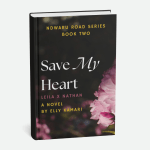
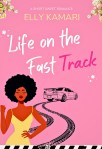
Here’s a glimpse at Stories set in Nairobi, with Great Characters.


 Somewhere Else











 Stories and Book Talk