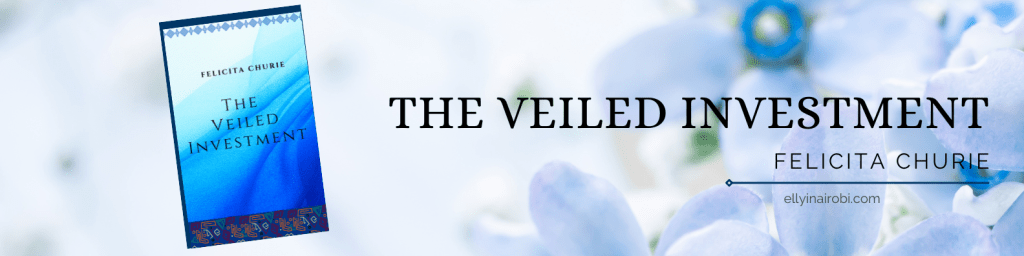
The Veiled Investment is a book that highlights the many cultural changes from 1945 to the present, encompassing the different generations. The information about these effects may not appear in history, but is told as stories. During our time, it was obligations and responsibilities; now, it is about rights and entitlements.
Why She Calls Herself the Veiled Investment:
In Felicita Churie’s community, a girl’s price was tallied in cows, not dreams. Eight decades later, that “veiled investment” has yielded returns no dowry could measure.
She outruns an arranged marriage, wins a British Scholarship, teaches a generation of girls and boys, and—when her son’s life hangs in the balance—gives him her kidney. The child earmarked for dowry becomes a teacher, scholar, commissioner, kidney donor, and grief-tempered advocate. Each milestone proves her grandmother’s quiet prophecy true: a woman’s worth is compounded in resilience and service, not cattle or coin.
Her life proves that the “investment” everyone else once claimed is, in truth, her own: education, faith, and an iron-clad will to keep going when tragedy strikes.
The Veiled Investment is both a ledger and a love letter to women whose quiet labour bankrolls families and nations. It is Felicita’s luminous memoir of classrooms and hospital corridors, showing how one determined woman turns every setback into capital for those she loves.
“I’m a member of the Silent Generation,” Felicita writes, “and my story is about my determination, resilience, wisdom, hard work, and independence—all rooted in my cultural background and the times in which I have lived.”
And what times! The Veiled Investment paints a colorful tapestry of a woman who has walked step by step through eight decades of change. As I read her story, admiring her determination to attend school in a world where girls were not expected to, I realized that we, the children of the current times, often take such privileges for granted. In contrast, the Silent Generation fought for these opportunities, sought them out, and turned them into the norm.
Felicita tells the story of a girl once viewed merely as a source of dowry, who transformed that expectation into an extraordinary life for herself and her family.
In The Veiled Investment, Felicita demonstrates the value of the priceless, silent labor a woman gives to her family and those she loves.
Our grandmothers and mothers of the Silent Generation hold remarkable stories that show us where we have come from. Felicita recalls asking her husband to sign her passport application so the government would know he had given his permission for her to travel. I marveled that I can now walk into a passport office as freely as I please and sign my own application. I promised her I would never take that privilege for granted again.
I thank women like Felicita, who lived the struggle so that we might dare to take these privileges for granted. It falls to us, to every reader, to guard those hard-won rights and extend them to those who come after us.
Question: Hi Elly, any information on book publishing costs and ROI? Drafting my first book. Wondering what's the cost of editing, book cover for a single title, for the Kenyan authors that publish. And do they really make their money back?
This message landed in my inbox in November 2024, and I’ve been staring at it for months. I didn’t answer it then because I was in the middle of printing and figuring out where to sell books. We are now in April 2025. I finally feel like I can answer this question. I have not offered numbers on the marketing side. It is an ongoing process at the moment.
So, it’s easy to put out the blanket ‘yes‘ to ‘Do they really make their money back?’ and call it at that, but there are variations. Yes is not an easy answer.
Fact 1: I might have talked about self-publishing books for a decade, but I’m also a newly published apprentice this year. I’ve focused on publishing ebooks on Kindle and Smashwords/Draft2Digital.The cost here includes: editing, book formatting, book cover origination, and marketing.
This year is the first time I have a printed book in a Kenyan bookshop. I am now learning on the job ^_^. The costs here include: editing, book formatting, book cover, ISBN, Printing, delivery, platform charges, and marketing. (Right now, I feel that Physical Books need so much more marketing than an eBook.)
I’m always willing to share experiences. So, let’s jump into answering this question in 2025.
What is the ‘cost of editing, book cover for a single title?’
Editing Costs in Kenya – A new author can seek an independent editor or a publishing company/business with an editing service. Editing is charged per word. Depending on an editor’s price list, the cost ranges from 0.35 cents to Kshs. 1.45 up to Kshs. 2.40 per word.
To Note: Your manuscript word count determines the cost of the edit as each word is charged. The cost will vary on whether my words are 10,000 words, or 100,000. That is, a 10,000-word manuscript being charged 1.45 will cost, Kshs. 14,500. While the 100,000-word manuscript will cost, Kshs. 145,000.
It is also important to note that the quality of the edit matters. What kind of edit are you looking for? A Comprehensive edit? A copy edit? A line edit? Someone to help you write your book from start to finish?
I will be honest. The editing process is the most time-consuming part of the self-publishing journey. It also does not end. You can print a book and find a very obvious problem on the second page that did not register the ten times you and everyone you know read through. The mortification is always super nuts. I'm still learning how to let that feeling go, and hope to do better in the next run. I find that it helps to find an editor who can help you through this process easily, and without breaking the bank account, and is amazing at proofreading.
I hope I have covered the editing and book cover costs in Kenya.
Now, to the ‘Do they really make their money back?’ part of the question.
Yes, authors in Kenya do make their money back. But, how fast the author gets their return on investment depends on the next factors.
Industry | Genre – Your book topic is essential to your sales. Books targeting particular industries like bakers in the baking industry, clothes designers, bead making, faith-based narratives, academics or investing in real estate, accounting, among others are specific to the industry. So, the authors of these books make sure their target audience is interested in these topics and that is who they market to. Industry books tend to reach their target audience faster. If your book genre is fiction, specify which fiction genre your book is in, that is, mystery, romance, thriller, horror, fantasy, literature. We don’t all read the same type of fiction. Authors in the fiction genre target specific genre readers for sales. Figure out where your fiction stands in the genre section.
An Author’s Social Currency – A biography written by a well-known individual, for example, a politician or celebrity will sell faster than one written by a modest member of society. The politician or celebrity leans on their social currency to get buys, while the modest member of society has to work harder and market more aggressively to gain the same attention.
Marketing – Industry | Genre and Social Currency contribute to your marketing strategy. Once you know who your readers are, and your ability to reach them, work at seeking them out in their spaces, their industries, and interests. For a new writer, it is essential to use marketing to grow your social currency. Reach for and find readers on social media like Tiktok /Instagram/Pinterest/Facebook/the Fediverse / among many others. Visit and connect with groups and communities that will or may have interest in your books. Marketing is a continuous process. Don’t give up in the middle, and if you feel you are having a hard time doing the marketing yourself, seek help from someone you trust who does know how to market.
Book printing is a business. When you get into it, understand the concept of costs, expenses and profit margins. Your costs include:
Marketing – FB Ads/ Amazon Ads/ Tiktok Ads/ Any other marketing costs you choose.
Delivering your product to your customers.
Platform expenses. For example, if you sell your book through Jumia, Jumia takes a percentage from the sale, they are called selling fees. You also need to get the book to their vending stations, which is also a cost to you.
There maybe other hidden costs that are relevant to you as an author. You should track all these amounts so that you can price your book correctly to make back your investment. At the same time, be sensitive to the current market’s trends(inflation and current economy stress) and make the retail price of your printed book affordable for your targeted audience.
If you hit the sweet spot with all these costs and expenses, you will make your money.
Finding a balance
As an author getting started in this industry, the first thing to manage is your doubt. Let me kill that doubt for you right now. Yes, it is possible to print your book. There is no doubt. The work you need to do is finish the manuscript. Get through it to the last page.
Then, edit it. Get your bestie to read it. Get more than your bestie to read it. Once you have feedback, fix what needs help, then find an editor. Edit the content.
Then, format your book into the size you prefer. Discover more about book sizes. Once this is finished make a pdf document.
Create a book cover that fits your manuscript’s content.
Once you have a book cover and a completed pdf document, you can get your copyright at the Kenya Copyright Board website. Buy an ISBN which goes on the back of your cover.
Find a printer. At this stage, make sure the printer can keep your printing costs relatively similar as you print on demand, this way, you can keep your retail price intact. If you are able or can afford it, approach an offset printer for a large consignment of your book. The offset printer guarantees availability.
Once your book is printed, market it. Don’t get tired.
Get started on writing your next book.
As a self-publishing author I often need to find a balance between marketing one book while writing the next one, figuring out the printer’s costs and where to sell books, and the logistics of deliveries. In between all this, I may get a review that throws me out of focus. So, the only way to get through it is to focus on my goals. Ask yourself, what do you want out of this very personal exercise?
I spend my time selling eBooks. But this year I’m learning how to sell printed books. The doubts are in full swing, and I have to hit them with a bat daily. I’ll share more on the process at the end of the year. Hopefully ^_^.
The long and short of it is, Finish your book, get it out there. Experience the publishing process, it is the only way to know if you’ll make back your investment. The more you do it, the better you get with the process. Go for it! The world needs your story. Always!
***
Save My Heart Leila Karani fell in love, thinking it was forever. When she got pregnant, she went to see her boyfriend, Nathan Njeru, thinking he would support her and their baby, but she was wrong.
March is on its last week, but every time this month rolls by, I can’t help thinking about the Ides of March. ^_^ I just cannot help sharing why this phrase is stuck in my head. hehehe. Shakespeare’s The Tragedy of Julius Caesar is forever in the mind:
Soothsayer: “Beware the Ides of March.” Caesar: “Who’s that man?” Brutus: “He’s a soothsayer warning you about the Ides of March.” Caesar: “Bring him here; I want to see his face.” Cassius: “Hey, come out of the crowd and look at Caesar.” Caesar: “What are you telling me now? Speak again.” Soothsayer: “Beware the Ides of March.” Caesar: “He’s just a dreamer. Let’s ignore him. Move on.”
Would things have turned out different had he listened to the soothsayer? We’ll never know. But, the Ides of March remains stuck on the mind, which is March 15th on our calendar.
Moving on, March Reading Vibes are very dramatic and thrilling, like Caesar’s situation.
On the rugged West Coast of New Zealand, Golden Cove is more than just a town where people live. The adults are more than neighbors; the children, more than schoolmates.
That is until one fateful summer—and several vanished bodies—shatters the trust holding Golden Cove together. All that’s left are whispers behind closed doors, broken friendships, and a silent agreement not to look back. But they can’t run from the past forever.
Eight years later, a beautiful young woman disappears without a trace, and the residents of Golden Cove wonder if their home shelters something far more dangerous than an unforgiving landscape.
It’s not long before the dark past collides with the haunting present and deadly secrets come to light.
At a Texas county fair, amidst carousels and a bustling midway, children’s book author Elle Portman is enjoying a rare night out with her favorite her two-year-old son, Charlie. But just as they’re about to head home, the unthinkable a shooter opens fire into the crowd, causing widespread panic to erupt all around them.
Also caught in the melee was corporate consultant Calder Hudson. Arrogant, self-centered, and high off his latest career win, he’s frustrated and confused when he wakes up in the hospital after undergoing emergency surgery on his arm. The doctor tells him that he was lucky—that as far as gunshot wounds go, he pulled through remarkably well. Others weren’t so lucky, which instills in Calder a furious determination to get justice . . . a goal shared by Elle.
Their chance encounter at the police station leads to a surprising and inexplicable gravitation to one another, but even as the attraction grows, Elle and Calder can’t help but wonder if the unimaginable tragedy that brought them together is too painful and too complicated to sustain—especially while the shooter remains at large.
Simon and Vicky couldn’t seem more a wealthy Chicago couple with a stable, if unexciting, marriage. But with these two… absolutely nothing is what it seems. When a beautiful socialite is found hanging in a mansion in a nearby suburb, Simon and Vicky’s complex web of secrets begins to unravel.
A whirlwind affair. A twenty-million-dollar trust fund about to come due. A decades-long grudge and an obsession with revenge. Both Vicky and Simon are liars–but just who exactly is conning who? Prepare to question everything you think you know in this wickedly clever novel of greed, revenge, obsession–and quite possibly the perfect murder.
This here is a book recommendation from a friend. I’ve been sitting on the edge of my seat getting through this one. Very great recommend. I love when it just clicks.
I hope your March 2025 is filled with wonderful, amazing things.
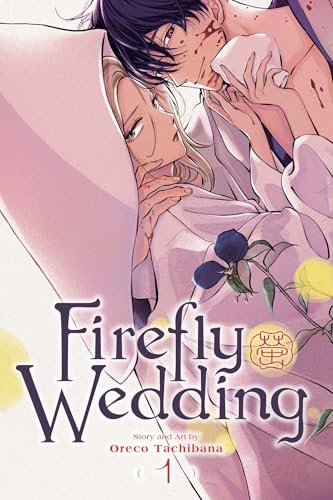
THE GREAT DETECTIVE OF THE INNER PALACE IS BORN…?!
Maomao, a young woman trained in the art of herbal medicine, is forced to work as a lowly servant in the inner palace. Though she yearns for life outside its perfumed halls, she isn’t long for a life of drudgery! Using her wits to break a “curse” afflicting the imperial heirs, Maomao attracts the attentions of the beautiful Jinshi and is promoted to attendant food taster. But Jinshi has other plans for the erstwhile apothecary, and soon Maomao is back to brewing potions and…solving mysteries?!
I’m totally in love with this manga! It’s so much fun to read, and a great watch if you prefer Anime. I recommend it! Maomao is so much fun!
KEEP YOUR HANDMAIDENS CLOSE, AND YOUR ENEMIES CLOSER
Every time Rishe turns twenty, she dies and is reincarnated to the day her engagement is broken off. This time around, she winds up the fiancee of the man who killed her in her previous life: the crown prince of the Galkhein Empire, Arnold! Knowing from her past lives that Galkhein is on the path to war, Rishe is determined to prevent it. She starts by turning the royal villa into a training ground…for handmaidens! Will her unorthodox plans be enough to keep disaster at bay?
I love this one for Rishe’s openminded attitude, and her can-do policy. She knows her limits, and her strengths, and brings her ideas to life. This is a story to push your imagination. I still recommend it. February was a month full of manga volumes. So much life here.
Pent Up Thoughts is a remarkable collection of journaled thoughts, messages, and poems that shine a captivating light on the complex depths of mental health and self-care. This book beckons readers to take a soul-stirring voyage, delving into the complexities of anxiety, depression, self-love and acceptance, relationships, coping mechanisms, healing, and the widespread stigmas surrounding mental health.
Divided into six sections, each part sheds light on an indispensable angle of the mental well-being experience, beautifully intertwined with self-care, resilience, and hope topics. This collection seeks to provide solace, inspiration, and a sense of connection to those battling mental health challenges or searching for a deeper understanding of the human experience and themselves.
Instant Appeal: In an in-depth look at the crippling struggle through depression and anxiety, hope prevails, and infinite possibilities are born out of the persistence to keep going.
“With each step you take, a victory you gain/ and before long, the strength of your will reigns.” – James B. Agape, Pent Up Thoughts.
Pent Up Thoughts is a very intimate journey of self-reflection, a call to celebrate moments of self-love and learn how to practice self-acceptance. It is a brutal look at depression and anxiety and the cost it can ravage a mind. James B. says, ‘Managing anxiety and depression is not a battle to be won, but a journey to be embraced.’ Each small step forward is a triumph, every day, every minute, every second.
There are low moments in life. It has to be acknowledged. The negative emotional impact of these low moments happens to all of us. Some more than others, but the negative impact happens and it takes a toll. James B. argues, that if you or I are in one of those very low moments, and in a negative state, ‘…you don’t have to thug it out. It’s okay to reach out, and ask for help.’
It’s okay to not be okay. And when you’re not okay, it is absolutely right to reach out to someone you trust and say, “Hey, today has been really hard for me. Can we talk for a minute?” And when someone you love or know says this to you, take the time to listen. Don’t judge. Don’t even try to offer a solution. Just listen. What matters when you’re struggling is getting through the now and focusing on getting through today.
James B. says, “I think having genuine and deep conversations goes a long way toward forming better human connections.” It is surprising how many conversations we can have in a day, but the one that sticks with you is the one person who wants to know if you’re happy, or if you ate today.
Pent Up Thoughts argues that we should celebrate self-love, and self-acceptance, and embrace our vulnerabilities, quirks, and imperfections. Once we can achieve these things, we shall show up for those who are around us in our true authentic selves. And perhaps build better connections so that when someone taps our shoulder and says, ‘Hey, can we talk for a minute?‘ We can listen and provide an authentic human connection.
Favorite quote: Embracing your imperfections and vulnerabilities is a sign of true strength. It takes courage to show up as your authentic self and love yourself unconditionally. – James B. Agape, Pent Up Thoughts.
This book is perfect for anyone who would love to understand more about mental health, what it takes to get through a rough period, or even discover how to start a mental healing journey.
James B. Agape/Varlens / Auto ModeJames B. Agape/ Pent Up Thoughts
Connect with James B. Agape:
I purpose to keep writing and sharing my human experience. Should you wish to be part of the journey, feel free to share your email : )Reach him here. Instagram: James B. Writes
Happy New Year! January is always the perfect moment to Start! a new routine, a new attitude, a new goal, or visit a new place. It is a world of Starts! I hope your new starts turn out amazing and that everything you expected will be done by the end of the year.
My new Start! is sharing my reading list for the month in one great big list. Making a list of what to read through the year has been one of those moments filled with serendipity. Some great books come at you unexpectedly, so I hope I’ll get some books coming at me this year, which I absolutely did not expect. This month, I found two books with the same title, written fifteen years apart. I decided to check them out to discover what serendipity is this ^_^! Here’s my January 2025 reading list.
California, 1985-Four children and young teacher Anne Navarre make a gruesome a partially buried female body, her eyes and mouth glued shut. A serial killer is at large, and the very bonds that hold their idyllic town together are about to be tested.
Tasked with finding the killer, FBI investigator Vince Leone employs a new and controversial FBI technique called “profiling”, which plunges him into the lives of the four children-and the young teacher whose need to uncover the truth is as intense as his own.
But as new victims are found, Vince and Anne find themselves circling the same small group of local suspects, blissfully unaware that someone very near to them is a murderous psychopath…
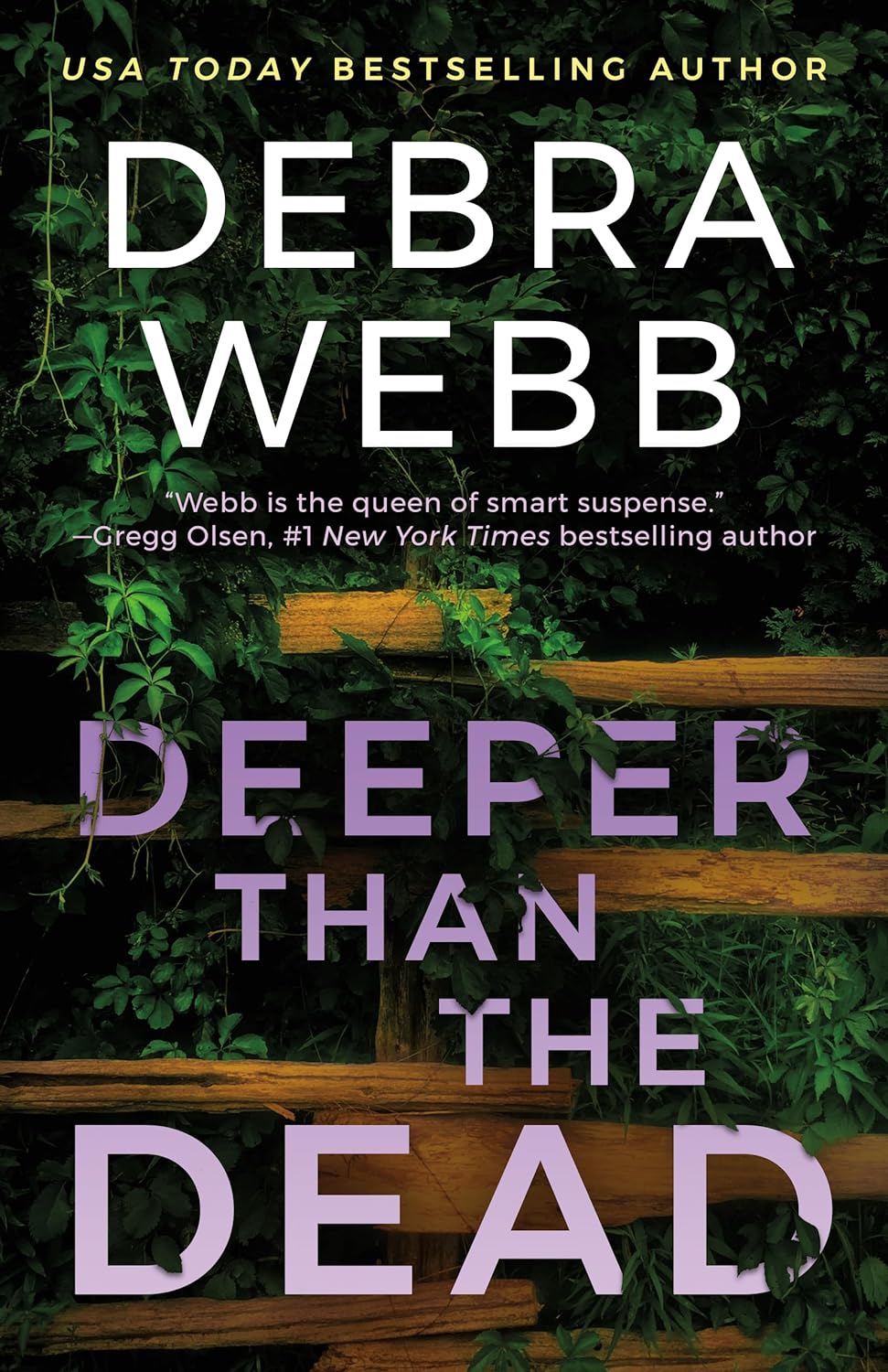
Someone’s found the skeleton in the closet, and it’s not the only one. Wall Street Journal bestselling author Debra Webb presents an emotional new mystery. Crime analyst and newly disgraced deputy police chief Vera Boyett doesn’t visit home often, and she certainly doesn’t venture back into the cave on her family land. But when the remains of her long-missing stepmother are discovered, Vera will have to face a past that threatens all she is.
She and her sister Eve had a fairy-tale childhood: good until it was tragic, with a stepmother they never found a bond with. At least they had each other, a baby half-sister, and a mutual devotion that would have them do the unthinkable. It’s summer in small-town Tennessee, so thick with humidity it could drown you and so rife with secrets it could smother you. And deep beneath the surface, there are more bodies than you’d think…
A princess in exile, a shapeshifting dragon, six enchanted cranes, and an unspeakable curse…
Shiori’anma, the only princess of Kiata, has a secret. Forbidden magic runs through her veins. Normally she conceals it well, but on the morning of her betrothal ceremony, Shiori loses control. At first, her mistake seems like a stroke of luck, forestalling the wedding she never wanted. But it also catches the attention of Raikama, her stepmother.
A sorceress in her own right, Raikama banishes the young princess, turning her brothers into cranes. She warns Shiori that she must speak of it to no one for with every word that escapes her lips, one of her brothers will die.
Penniless, voiceless, and alone, Shiori searches for her brothers and uncovers a dark conspiracy to seize the throne. Only Shiori can set the kingdom to rights, but to do so she must place her trust in a paper bird, a mercurial dragon, and the very boy she fought so hard not to marry. And she must embrace the magic she’s been taught all her life to forswear–no matter what the cost.
Weaving together elements of The Wild Swans, Cinderella, the legend of Chang E, and the Tale of the Bamboo Cutter.
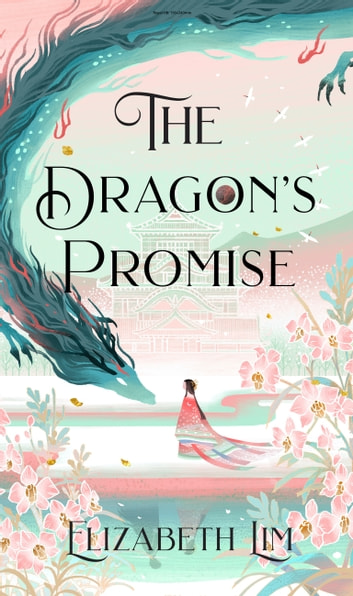
The Dragon’s Promise by Elizabeth Lim (Book #2)
A journey to the kingdom of dragons, a star-crossed love, and a cursed pearl with the power to mend the world or break it…
Princess Shiori made a deathbed promise to return the dragon’s pearl to its rightful owner, but keeping that promise is more dangerous than she ever imagined.
She must journey to the kingdom of dragons, navigate political intrigue among humans and dragons alike, and fend off thieves who covet the pearl for themselves and will go to any lengths to get it, all while cultivating the appearance of a perfect princess to dissuade those who would see her burned at the stake for the magic that runs in her blood.
The pearl itself is no ordinary cargo; it thrums with malevolent power, jumping to Shiori’s aid one minute, and betraying her the next—threatening to shatter her family and sever the thread of fate that binds her to her true love, Takkan. It will take every ounce of strength Shiori can muster to defend the life and the love she’s fought so hard to win.
January is halfway, the heat is high, and the mangoes are still sweet with pepper and salt. Keep reading ^_^
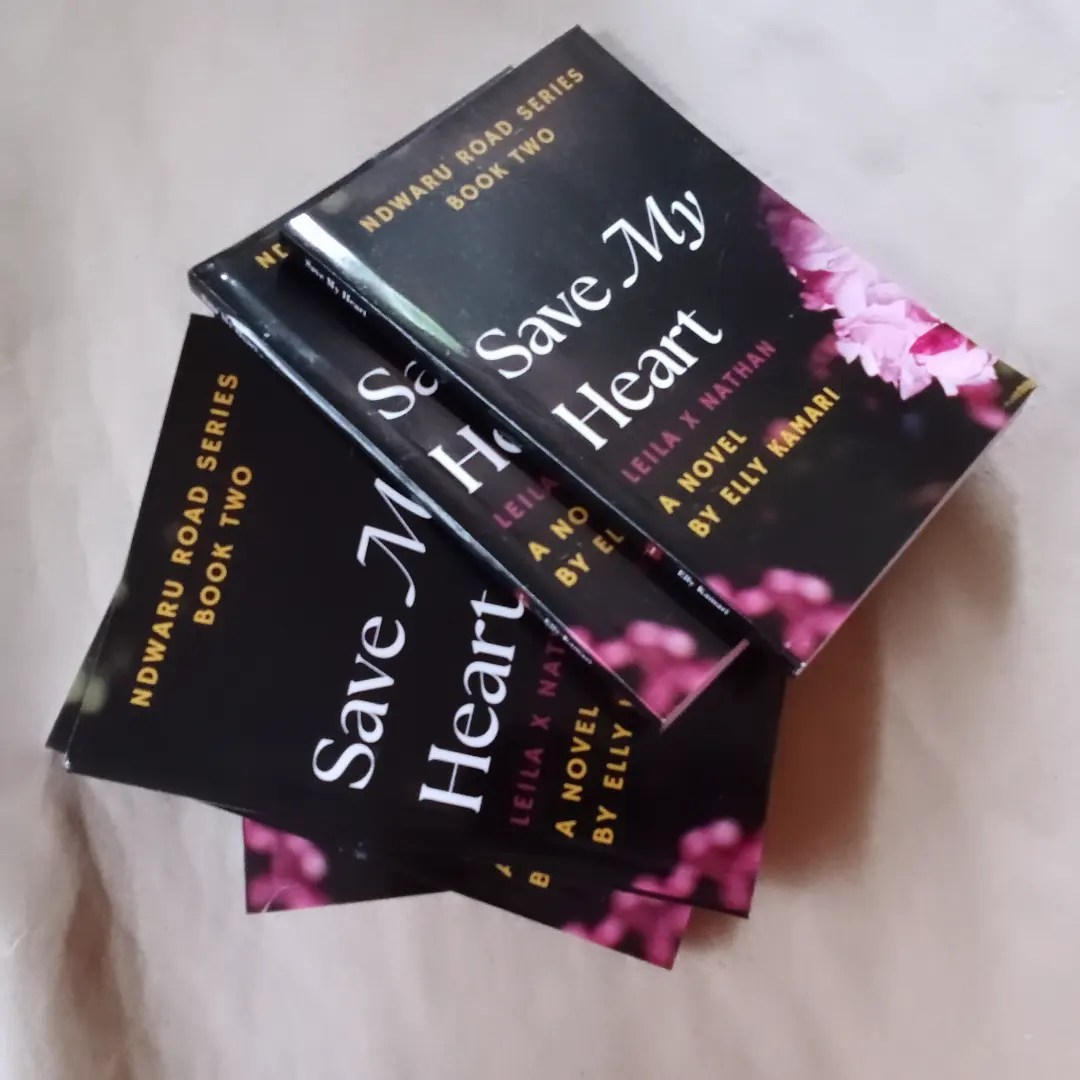
Leila Karani fell in love, thinking it was forever. She got pregnant and went to see her boyfriend, Nathan Njeru, thinking he would support her and their baby, but she was wrong. Nathan declared he did not love her anymore and instead urged her to abort their baby.
Eight years later, Leila is a single mother running a fabric and tailoring shop in Nairobi, and her daughter’s happiness is her only concern. When a Fashion Design opportunity comes her way, she unexpectedly encounters Nathan. Now, Leila must make a decision that will profoundly impact her daughter’s future, especially when she learns the truth about Nathan’s past actions.
Can Leila navigate the tumultuous waters of forgiveness and allow her heart to love a man she’s despised for so long yet still feels connected to?
This is a standalone and the first book will be printed in January 2025.
On a side note, I am low-key excited to finally be posting about a printed book available for purchase in my city, Nairobi! It was quite an amazing moment, and I’ve been smiling and feeling super excited when I think about it. Here’s to more and more books printed and available in Nairobi!
An Anthology of Insights and Lessons from the lives and experiences of women who lead.
The Way She Leads is an inspiring anthology that highlights the profound value of women’s leadership. Through a carefully curated collection of real-life stories and personal reflections, this book captures the unique experiences and journeys of women who have embraced their leadership potential. It is a testament to the value and impact that women bring to the table, whether in personal, professional, or corporate spaces. Each narrative offers invaluable insights on how women can harness their strengths, enhance their leadership skills, and unlock new levels of productivity and influence.
You can also get a copy at the upcoming Book Launch on November 1st, 2024.
Join the celebration at The Way She Leads Book Launch party on November 1st, 2024, at 2 p.m. EAT at the Trademark Hotel (Village Market) Nairobi.
The Launch brings together astute Women Leaders from various backgrounds to share Transformational Insights and Lessons from their Lives, Careers, and Business experiences. This meeting will provide an opportunity toNetwork, Connect, and Learn more about women’s Value and contribution in the different spheres of their work and lives. Meet, Connect, and experience the Phenomenal Women behind the Stories in the Book.
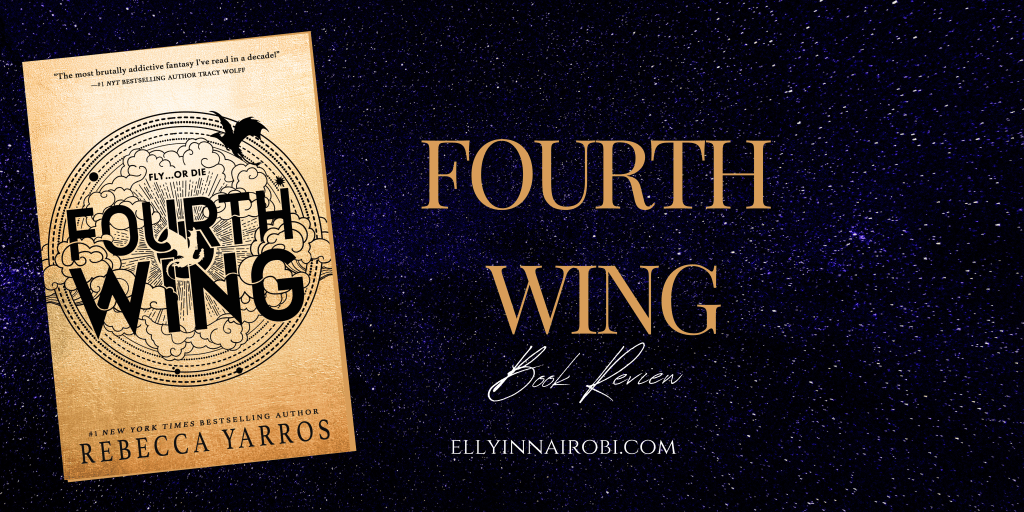
Enter the brutal and elite world of a war college for dragon riders…
Twenty-year-old Violet Sorrengail was supposed to enter the Scribe Quadrant, living a quiet life among books and history. Now, the commanding general—also known as her tough-as-talons mother—has ordered Violet to join the hundreds of candidates striving to become the elite of Navarre: dragon riders.
But when you’re smaller than everyone else, and your body is brittle, death is only a heartbeat away…because dragons don’t bond to “fragile” humans. They incinerate them.
With fewer dragons willing to bond than cadets, most would kill Violet to better their chances of success. The rest would kill her just for being her mother’s daughter—like Xaden Riorson, the most powerful and ruthless wingleader in the Riders Quadrant.
She’ll need every edge her wits can give her just to see the next sunrise.
Yet, with every day that passes, the war outside grows more deadly, the kingdom’s protective wards are failing, and the death toll continues to rise. Even worse, Violet begins to suspect leadership is hiding a terrible secret.
Friends, enemies, lovers. Everyone at Basgiath War College has an agenda—because once you enter, there are only two ways out: graduate or die.
Thoughts:
I fell into the hype! I had a great time reading this book. It is important to keep an open mind while reading it. The plot is a hero’s journey, and Violet is in an endless survive-and-win cycle. Fourth Wing delivers for me in terms of adventure and that delicious win-for-the-underdog. This book is suitable for 16 years and above. It has a lot of violence, much like The Hunger Games.


























 Stories and Book Talk