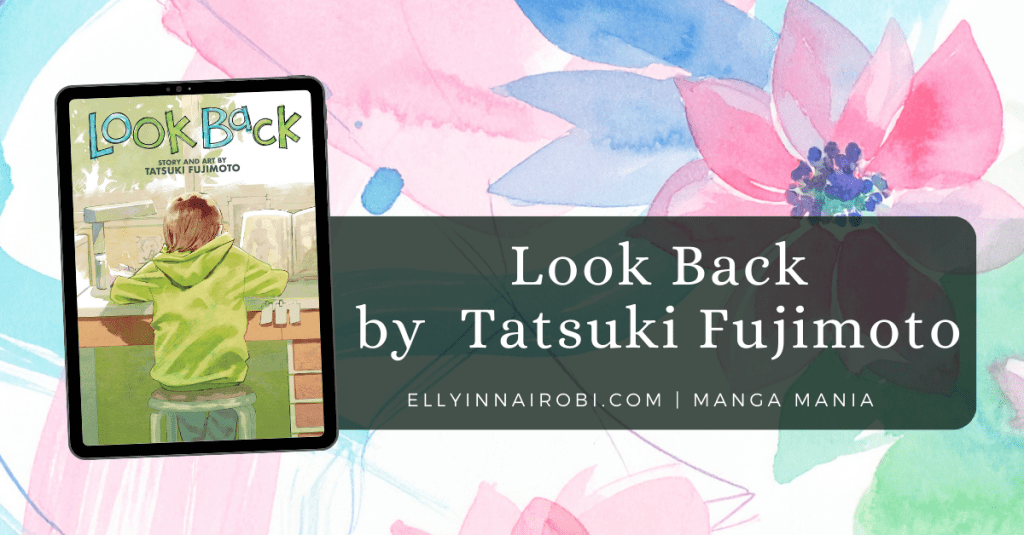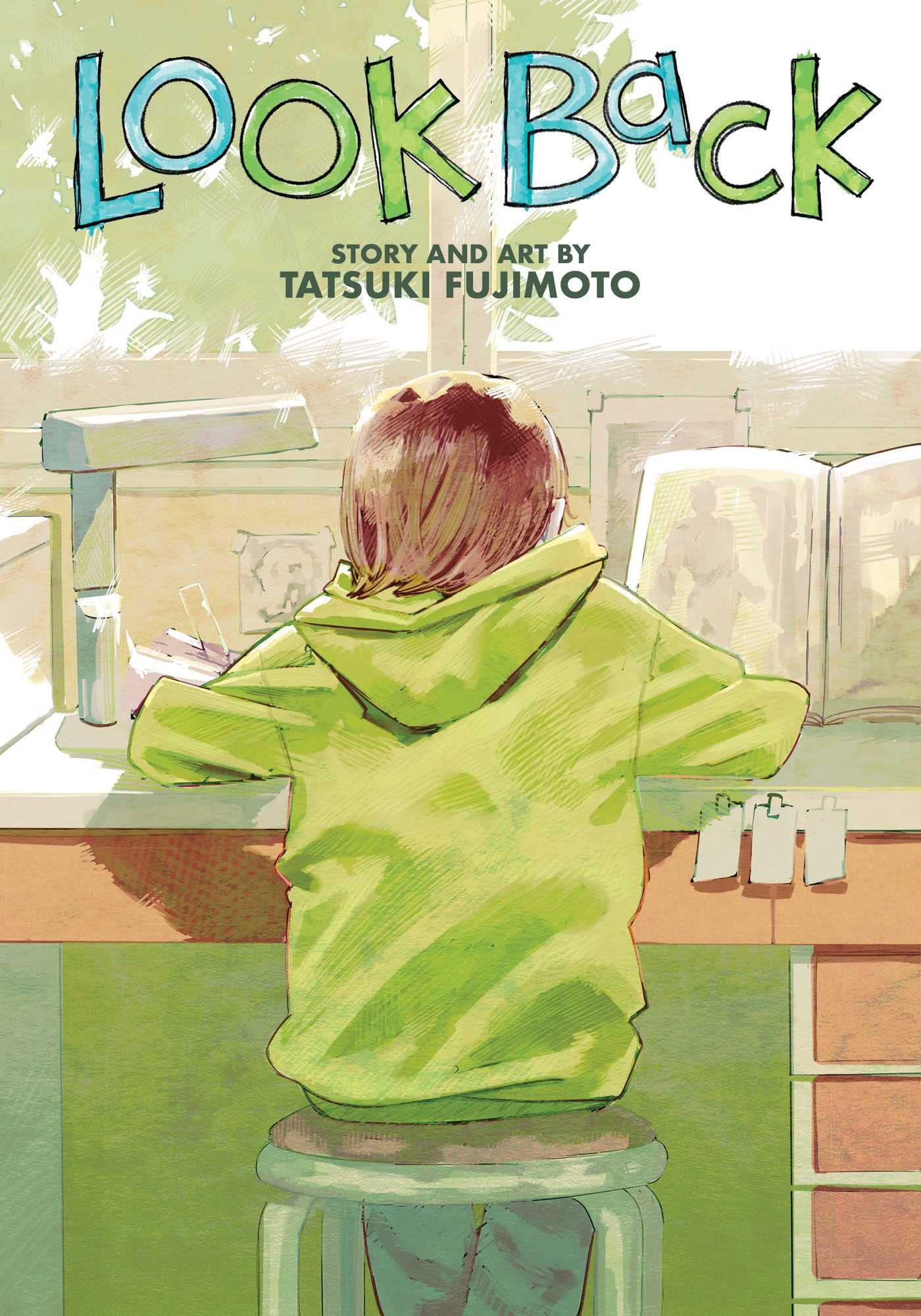
The overly confident Fujino and the shut-in Kyomoto couldn’t be more different, but a love of drawing manga brings these two small-town girls together. A poignant story of growing up and moving forward that only Tatsuki Fujimoto, the creator of Chainsaw Man, could have crafted.
Two young artists from a small town inspire each other to improve their art and become manga creators. But as they grow up, a terrible tragedy will change their lives forever.
This one-shot manga is sentimental, magical, and quietly heartbreaking. Tatsuki Fujimoto offers a thoughtful commentary on manga creation and the dedication required to bring it to life.
At the same time, Look Back explores the nature of friendship, what it takes to sustain meaningful connections, and how easily they can be lost. It is remarkable how much emotional depth Fujimoto packs into just 144 pages, delivering a fast, engaging, and deeply affecting read.
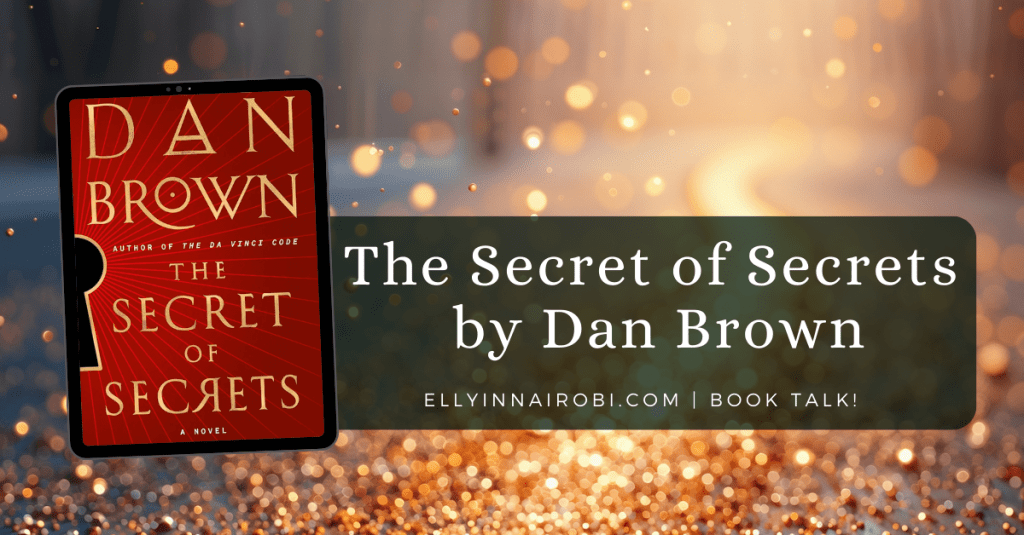
Robert Langdon, esteemed professor of symbology, travels to Prague to attend a groundbreaking lecture by Katherine Solomon, a prominent noetic scientist with whom he has recently begun a relationship.
Katherine is on the verge of publishing an explosive book that contains startling discoveries about the nature of human consciousness and threatens to disrupt centuries of established belief. But a brutal murder catapults the trip into chaos, and Katherine suddenly disappears along with her manuscript.
Langdon finds himself targeted by a powerful organization and hunted by a chilling assailant sprung from Prague’s most ancient mythology. As the plot expands into London and New York, Langdon desperately searches for Katherine . . . and for answers.
In a thrilling race through the dual worlds of futuristic science and mystical lore, he uncovers a shocking truth about a secret project that will forever change the way we think about the human mind.
Thoughts:
My latest read is The Secret of Secrets by Dan Brown. I was captivated by the way the novel explores consciousness, suggesting that the human mind may be the last true frontier, one we still understand only imperfectly, despite its beautiful complexity.
Through Robert Langdon, Brown takes the reader on a fresh intellectual adventure, examining what the mind is capable of and what the emerging science of consciousness might reveal. The novel builds to an entertaining, suspenseful climax, culminating in a thrilling chase as Langdon searches for Katherine amid mounting danger. I enjoyed every. minute. of. it. Then got everyone around me to read it, hahaha. And now, I hope you will too.
Read this if you enjoy
Thrillers that blend science, philosophy, and action.
Big questions about consciousness and human potential.
Fast-paced stories with intellectual puzzles at their core.
High-stakes searches where knowledge is as powerful as force.
Your turn
Do you enjoy thrillers that make you think as much as they make your heart race? Or do you prefer action that never pauses for philosophy? There’s a beautiful magic in thinking about a book I’ve finished reading hours or days later and getting on Google to research whether Noetic Science exists, who is studying it, and why. I hope you find your next thrilling read.
If you’re drawn to stories that explore cyber fiction, you might enjoy my ongoing Friday fiction series—where mystery, tension, and discovery collide. → Start with Episode One
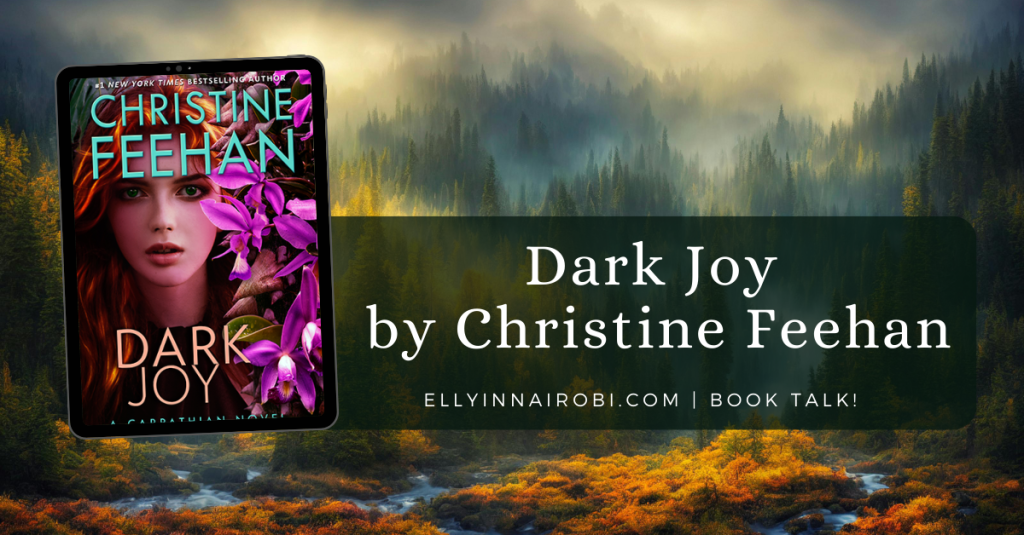
Wishing you a stunning 2026. Let’s start the year with a series I began reading a loooong time ago: Christine Feehan’s Carpathian series, also known as the “Dark” series. It has been a staple on my shelves for years. I first discovered it as a teenager. Even then, the series had already reached Book 20. Now it’s up to Book 39, which is quite a journey.
The Carpathian books can be read as standalones, but there’s also an underlying progression of events that carries from Book 1 all the way to the newest entry. In short, the Carpathian series is one of the granddaddies of paranormal romance, and it still delivers a satisfying read no matter where you begin.
Snapshot
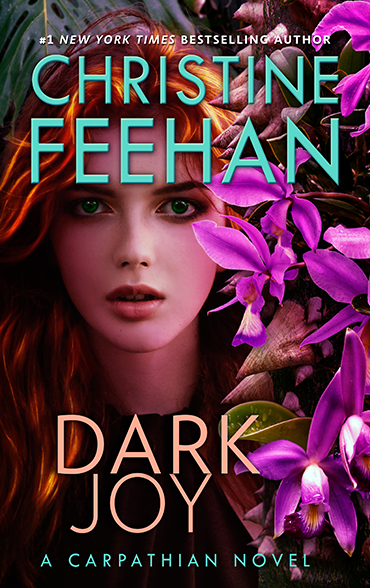
Title:Dark Joy Author: Christine Feehan Series: Carpathian / “Dark Series” Book 39 Genre: Paranormal romance • shapeshifters • vampires Vibes: rainforest danger • fated mates/lifemates • ancient protector • found roots • high-stakes supernatural conflict Heat Level: High (typical of Carpathian romances)
Sarika Silva has come to Peru’s rainforest to learn about her family’s history and her own capabilities as a jaguar shapeshifter. What she finds is a dangerous world out of her nightmares, where jungle shifters and ravenous vampires vie for dominance and a gorgeous, lethal predator is waiting to claim her for his own.
Tomas Smolnycki and his brothers have hunted vampires for centuries. As some of the oldest Carpathians, they are accustomed to seeing the world in unfeeling gray. So Tomas is ill prepared for the emotions that rise like a tidal wave when he hears Sarika’s voice. As his world bursts into color, he knows he has finally found his lifemate—a woman he’s compelled to protect whether she likes it or not.
Despite an attraction to Tomas that defies logic, Sarika has no interest in being bound to anyone. But as an ancient enemy gathers power in the darkness, Carpathians and their lifemates from around the world must come together to fight back. And Tomas and Sarika’s bond could be the one thing that will save them from total destruction….
Why it worked for me
Dark Joy is a delight because it brings you back to the De La Cruz line of the Carpathian series, characters first introduced during the South American arc. Sarika is reconnecting with her past, uncovering her family roots, and coming into her own after being raised by adoptive parents who gave her a good life. She’s passionate about environmental conservation, dedicated to protecting jaguars, and fiercely independent.
I enjoyed returning to the Carpathian world through Sarika’s eyes, especially after taking a break from the series. It was satisfying to see what familiar characters are doing now, how they’re living, and what new possibilities might be unfolding for the future of this world. In Dark Joy, Sarika meets Tomas Smolnycki, an ancient Carpathian warrior, and together they must navigate the dangers of the Peruvian rainforest as vampires and jaguar shifters threaten their lives. Sarika and Tomas begin to explore their lifemate bond.
Read if you enjoy
Long-running paranormal worlds with deep lore and recurring characters
Fated mates where the bond is overwhelming and complicated
Jungle settings, predator energy, and survival-driven romance beats
Heroines reclaiming identity, family roots, and personal power
Vampires + shapeshifters in a high-threat supernatural ecosystem
Content notes
Violence and predation themes, supernatural horror elements, peril in the wilderness/jungle setting, coercive “fate” pressure typical of fated-mate frameworks, sexual/romantic intensity consistent with adult paranormal romance.
Your turn
If you’ve read the Carpathian/Dark Series: which book pulled you in the hardest, and do you prefer the earlier “classic” entries or the newer era of the world? For me it would be Dark Guardian, which is a bit dated at this point (hahaha).
A boy is born in the land of Leo. As the sound of the cattle horn is heard, everyone in the Kingdom celebrates the birth of not only a boy, but the Crown Prince. His name is Ustawi.
The hands that hold him foretell a prosperous future, but just like every dream has it’s valleys, so has Ustawi’s birth. One man has seen the evil that’s to befall the kingdom under the boy’s reign, his name is Ukweli. He is the Seer.
Fire begins the story of the Prince’s life and as you read through a story rich in culture and customs you can only ask yourself, can the Seer fight the gods? Can he avert the impending doom that’s to come?
Water is a riveting tale about the kingdom of Leo. It is led by a stubborn King who is jealous of his brother- The Seer.
When their mother dies, the King sets on a path filled with anger and it seems that no one can stop him from spiraling down this trail of vengeance.
Water weaves a tale filled with African tradition and sayings, and as you read each word, you cannot help but wonder what will become of the kingdom of Leo? Will King Uwezo listen to his brother and do what’s right?
King Uwezo knocks on his son’s door at night and tells him he will be crowned King by dusk. Ustawi does not want to be King, not when his Father is still alive. He wants to travel and see the other lands.
But, the King’s word is final. Wind, marks the beginning of Ustawi’s initiation into leadership. Relationships will be broken, alliances will be formed and suddenly the rush to occupy the throne of Leo will begin!
Wind never blows for a long time, but in this third book of the Currents Series, the people of Leo find themselves unable to predict or control the events that take place. It’s a serving of humor, pain, betrayal, anger with a pinch of love.
Leo’s most powerful King dies. His only son, Prince Ustawi, resides in the most dangerous forest for he was banished for turning down his inheritance.
The people of Leo need a leader, with enemies ready to attack the most prosperous kingdom, will the Seer’s premonition of doom come true?
Will Ustawi return home? Will he accept his throne and will the woman he loves, Amara, accept to be his Queen?
Earth is the final book in The Currents Series. It is preceded by three books: Fire, Water and Wind. In this final book, we are treated to the race to the most powerful throne and everything is not as it seems, will Ustawi find his bearing or will he fail as the gods decreed?
The Currents Series by Dora Okeyo: In Leo—“the land of today”—a prince named Ustawi grows from prophesied doom to chosen leadership, testing whether legacy is fate or something a leader earns, as family rivalries, ritual, and war churn symbolized by the elemental titles: Fire, Water, Wind, and Earth.
The series grows as follows:
Fire — Birth and an omen: a celebrated heir arrives under a shadowed prophecy. The question isn’t “Will he be king?” but “At what cost and to whom?”
Water — A family fracture grows: King Uwezo’s jealousy of his brother, the Seer, Ukweli, pulls the kingdom into grief-driven rule; tradition confronts pride. Will King Uwezo listen to his brother Ukweli?
Wind — Initiation under pressure: Ustawi is forced toward the crown before he’s ready; alliances reshuffle too fast, revealing how unstable power is when seized, not earned.
Earth — Exile to return: with the king dead and enemies circling, the banished heir must decide if he’ll claim the throne, rewrite the prophecy, and choose love without losing the realm.
It is a coming-of-age kingship saga rooted in African custom, where elemental forces mirror moral dilemmas. The core of the series is rooted in the tension between prophecy vs. self-determination, bloodline vs. merit, and legacy vs. love asking if a leader can honor tradition while bending a doom that everyone else has already accepted.
Trapped in darkness, witnessed a crime. Would anyone believe him? Mukeni, a gentle soul with a developmental disability, faces a terrifying fate when his head is sealed inside a clay pot, left to suffocate on a lonely Kenyan hillside path. His desperate struggle for air intertwines with visions of his beloved late mother—visions that may be his last. His discovery comes from Wacera, his devoted guardian since childhood. Rushing to deliver milk before dawn, her shortcut leads to a horrifying Mukeni, seemingly lifeless, his head grotesquely imprisoned. Her screams shatter the silence, rallying the village. As Mukeni fights for survival and recounts witnessing a brutal burglary next door, the community scrambles. But justice proves elusive. The thieves targeted Gathii, a man Wacera secretly longs for, yet Mukeni’s testimony is dismissed—the law deems him unfit to speak. While pragmatic villagers focus on recovering stolen goods, Wacera rages against the injustice done to the man she protects like a brother. The Price of Sight is a poignant and suspenseful tale set in rural Kenya. It explores the bonds of family and community, the crushing weight of prejudice against disability, and the quiet resilience of those fighting for dignity and love in the face of cruelty and indifference. Can Mukeni find safety? Will Wacera secure justice for him? And will her own heart find its answer with Gathii?
The Price of Sight is a short story about Mukeni, who lives in a small rural community where he faces prejudice for his learning disability from the larger community, but receives infinite kindness from Wacera, a young woman who treats him like a younger brother.
This short story offers a sharp commentary on the callous indifference and distorted perceptions of those with disabilities in our communities, and how such neglect can leave them voiceless, unrecognized, and without legal empowerment.
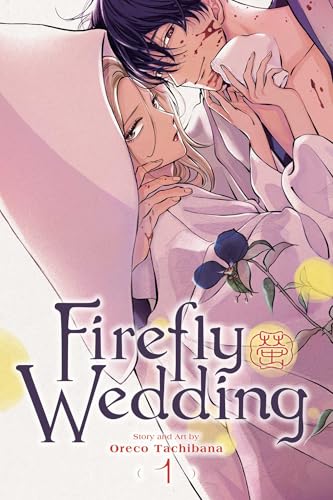
Some days you want wholesome fluff; other days you crave a hero who’d burn the world for his girl—then ask if she’s eaten yet. If you’ve been missing the delicious drama of Unhinged heroes, buckle in. I’ve unearthed three titles that deliver that “this-is-so-wrong-but-I-can’t-stop” adrenaline hit: Firefly Wedding (Vol. 1–3), Yakuza Fiancé, and Yakuza Lover. Grab your emotional popcorn.
It’s been a beat since Hana Yori Dango, so it’s always fun to uncover interesting manga with that toxic love energy that we all love to hate, but actually love to read about, and I feel like I’ve unearthed three titles that fit right in to this trope. Either way, when the hero says, ‘I think people who hurt my wife should be erased from the world.’ We’re there for it. It’s the love for that totally unhinged hero who is totally crazy to read on the page, but we all refuse to meet in real life. So, let’s jump in!
On the surface, Satoko has it all—she’s beautiful, the daughter of a nobleman, and at a prime age for marriage. Unfortunately, she is also quite ill and only has a short time left to live. Before she can secure a marriage that will redeem her worth in her family’s eyes, she finds herself the target of the mysterious assassin Shinpei, and her plans are put in jeopardy. In order to save herself, she makes a desperate proposal—of marriage! When it comes to love, however, Shinpei takes “until death do we part” seriously.
Why it clicks: Satoko has a weak heart, but she has a strong will and does all she can to survive in the face of unprecedented danger. Read if you like: damsels-in-distress, instant “I love you” demands. Age :Firefly Wedding is marked ‘Teen Plus’ 17+
In this critically acclaimed romantic crime drama, a yakuza granddaughter is sent from Osaka to marry the grandson of a rival family in Tokyo.
Yoshino grew up the sheltered yakuza princess of the largest crime family in Osaka, the Somei. Due to her resting bitch face and dangerous family, no man has ever approached her. When her grandfather signs a truce with the Tokyo-based Miyama crime family, he offers her up as a truce bride to the Miyama leader’s grandson! Kirishima Miyama is popular, charming, and seems totally normal.
But behind his smile is a violent sadomasochist who thirsts for her dominance even more when she impresses him with her moxie! Even though she knows how bad yakuza can be, she’s stunned by Miyama’s viciousness. She can’t turn him down with the East-West peace treaty on the line…so instead she steels herself to play ball!
What it is: A political engagement between rival crime families, think Romeo and Juliet with more knives and fewer apologies. Why it clicks: Both leads are terrifyingly competent in their own dark ways, so the relationship feels like two predators pacing the same cage. Read if you like: power couples who treat threats as foreplay, strategic marriage pacts, heroines who can shoot straight. Age:Yakuza Fiance is rated Teen Plus 17+
When feisty college student Yuri is attacked at a party, she’s saved by Toshiomi Oya, the underboss of a yakuza syndicate. Despite her obvious attraction to him, she convinces herself that she’s not in the market for a bad boy type. But when they meet again, she finds herself irresistibly drawn to him—kicking off a steamy and dangerous love affair that threatens to consume her, body and soul.
What it is: A college girl meets a Yakuza boss during a brawl and tumbles into an all-consuming romance of silk kimonos, scarlet tattoos, and constant danger. Why it clicks: This is pure, high-octane fantasy: the heroine’s sweetness collides with the hero’s lethal devotion. Read if you like: possessive declarations, R-rated chemistry, “ride or die” loyalties that could actually get you killed. Age Rating:Yakuza Lover is rated Teen Plus 17+
Toxic-But-Tempting: Why We Keep Turning Pages
This trope is fascinating in that there is a thrill to reading danger on paper, as there is the perceived buffer that fiction creates a safe distance. However, any friend experiencing these things in real life, and we would be the first to seek help for them. So, red flags are not beautiful, cannot be sugar-coated, but we can say that we read them so that we can identify them in real life (Yes, we’re going with this to the end of that last chapter, don’t judge).
There is the fantasy of absolute devotion. We can’t lie. There’s a serious guilty thrill in a hero who will raze down obstacles for love. We totally can’t resist an unhinged hero.
At the end of the story, there is always growth potential. A well-written one will nudge the couples toward mutual respect, eventually.
Your Turn
Which “love-to-hate” manga has swallowed your weekend lately?
From the wardrobe that whisks us into snow-dusted Narnia, where we meet Aslan and outwit an ice-cold witch, to Charlie’s wonder-filled tour of Willy Wonka’s Chocolate Factory, these classic fantasy reads spark every child’s imagination. Add The Golden Compass, a daring tale of kids rescuing kids from adults with terrible plans, and you have stories that pulse with courage, magic, and heart.
These six books aren’t just entertaining; they invite young dreamers to explore deeper themes of friendship, bravery, and hope.
Stories are the first passports we’re handed as kids. These six books stamped my childhood with magic: wardrobes that open into snowy kingdoms, chocolate rivers that bubble with possibility, spiderweb messages that spell out friendship, and secret gardens that teach resilience.
Journeys to the end of the world, fantastic creatures, and epic battles between good and evil—what more could any reader ask for in one book? The book that has it all is The Lion, the Witch and the Wardrobe, written in 1949 by Clive Staples Lewis. But Lewis did not stop there. Six more books followed, and together they became known as The Chronicles of Narnia.
For the past fifty years, The Chronicles of Narnia have transcended the fantasy genre to become part of the canon of classic literature. Each of the seven books is a masterpiece, drawing the reader into a land where magic meets reality, and the result is a fictional world whose scope has fascinated generations.
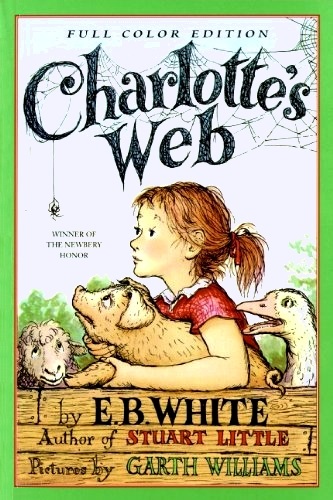
This beloved book by E. B. White, author of Stuart Little and The Trumpet of the Swan, is a classic of children’s literature that is “just about perfect.”
Some Pig. Humble. Radiant. These are the words in Charlotte’s Web, high up in Zuckerman’s barn. Charlotte’s spiderweb tells of her feelings for a little pig named Wilbur, who simply wants a friend. They also express the love of a girl named Fern, who saved Wilbur’s life when he was born the runt of his litter.
When Eragon finds a polished blue stone in the forest, he thinks it is the lucky discovery of a poor farm boy; perhaps it will buy his family meat for the winter. But when the stone brings a dragon hatchling, Eragon soon realizes he has stumbled upon a legacy nearly as old as the Empire itself.
Overnight his simple life is shattered, and he is thrust into a perilous new world of destiny, magic, and power. With only an ancient sword and the advice of an old storyteller for guidance, Eragon and the fledgling dragon must navigate the dangerous terrain and dark enemies of an Empire ruled by a king whose evil knows no bounds.
Can Eragon take up the mantle of the legendary Dragon Riders? The fate of the Empire may rest in his hands.
Charlie Bucket’s wonderful adventure begins when he finds one of Mr. Willy Wonka’s precious Golden Tickets and wins a whole day inside the mysterious chocolate factory. Little does he know the surprises that are in store for him!
Can’t forget the Oompa Loompas! This book has a lot of nuances when you read it as an adult. A lot of commentary on social and economic factors, but from a childhood perspective, it has a lot to give too.
Lyra is rushing to the cold, far North, where witch clans and armored bears rule. North, where the Gobblers take the children they steal–including her friend Roger. North, where her fearsome uncle Asriel is trying to build a bridge to a parallel world.
Can one small girl make a difference in such great and terrible endeavors? This is Lyra: a savage, a schemer, a liar, and as fierce and true a champion as Roger or Asriel could want–but what Lyra doesn’t know is that to help one of them will be to betray the other.
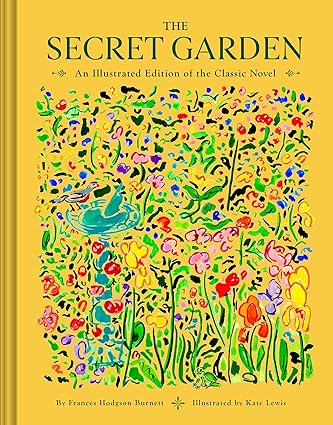
In a house full of sadness and secrets, can young, orphaned Mary find happiness?
Mary Lennox, a spoiled, ill-tempered, and unhealthy child, comes to live with her reclusive uncle in Misselthwaite Manor on England’s Yorkshire moors after the death of her parents. There she meets a hearty housekeeper and her spirited brother, a dour gardener, a cheerful robin, and her wilful, hysterical, and sickly cousin, Master Colin, whose wails she hears echoing through the house at night.
With the help of the robin, Mary finds the door to a secret garden, neglected and hidden for years. When she decides to restore the garden in secret, the story becomes a charming journey into the places of the heart, where faith restores health, flowers refresh the spirit, and the magic of the garden, coming to life anew, brings health to Colin and happiness to Mary.
Do you remember which of your childhood fantasy reads shaped your earliest daydreams?
Salt, Sunscreen, and Second Chances: Jenny Han’s Summer Trilogy
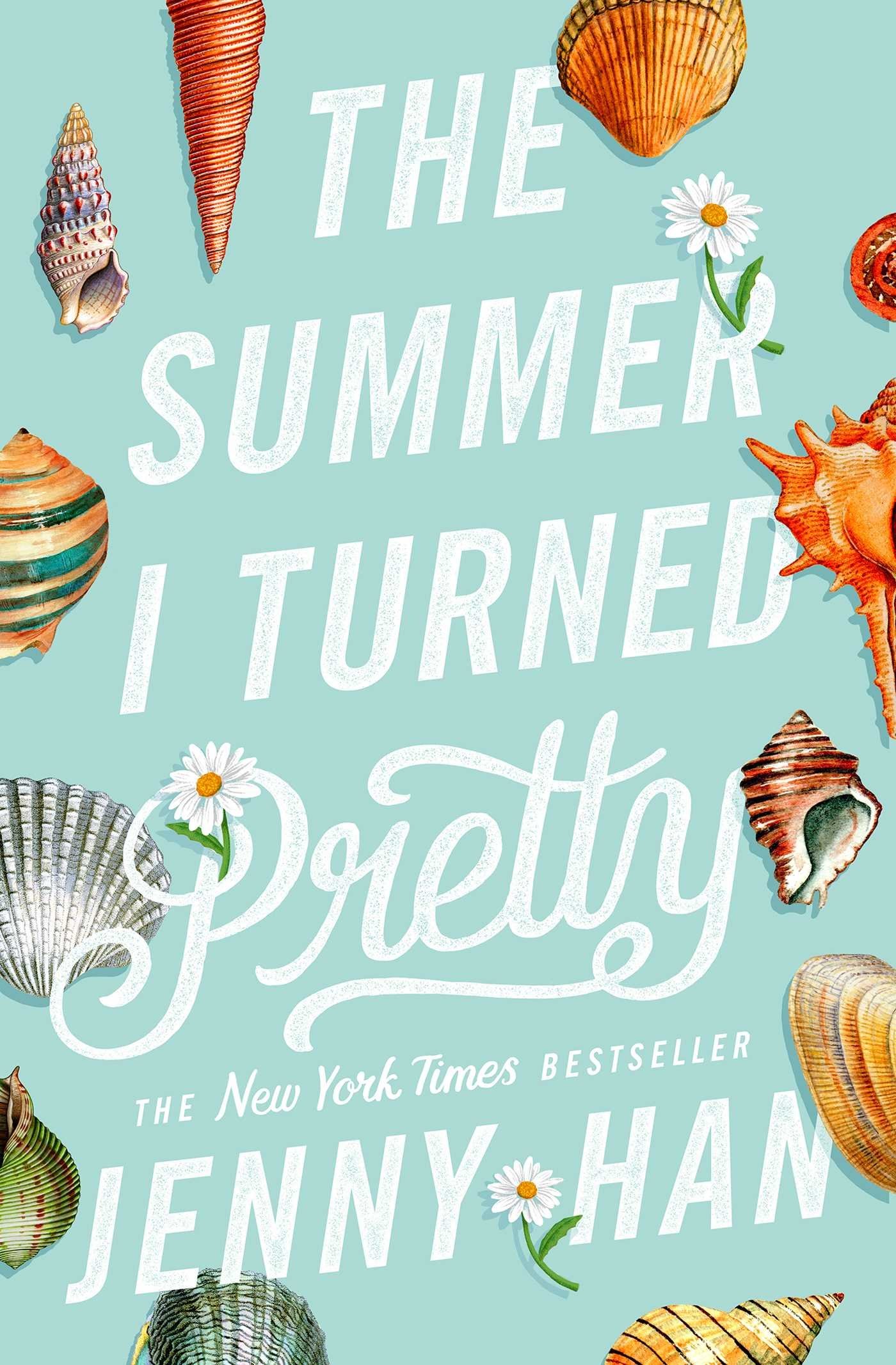
I read this trilogy for its coming-of-age heartbeat and stayed for the way it lets you sit inside Belly’s messy, sun-drenched firsts: first love, first heartbreak, first real loss, and the first steps toward independence. Belly isn’t always lovable; sometimes I wanted to shout at her choices and her naïve ideas about love (and even her mom’s decisions). But there’s an honesty to how she stumbles and learns. The result is a story that’s painful, and sometimes painfully beautiful, in the way growing up really is.
Author: Jenny Han Genre: YA contemporary romance • coming-of-age Vibes: beach house summers • love triangle • family and grief • firsts that change you Heat Level: low (YA-appropriate, closed-door)
Why it worked for me
The courage to be imperfect. Belly makes choices that can frustrate you as you read. She’s impulsive, naïve, sometimes blinded by what she wants love to be, but that’s exactly why the arc works. The trilogy doesn’t tidy her edges; it lets her be wrong, learn, and try again. Watching her move from wanting to be seen to learning how to see herself, her family, and the boys who matter makes the story worth it.
Firsts, rendered with honesty. The series nails the visceral feel of firsts: the dizzy high of being truly noticed, that painful moment of a first heartbreak, the ache of losing a second-mother figure, the strangeness of preparing for college when home still needs you. None of it is melodrama; it’s every day life. Even when the situationships hurt, it feels earned.
Family as an anchor. Mothers, sons, divorce, illness, tradition, each of these family dynamics tug at every decision. The beach house isn’t just a setting; it’s a memory bank where love and grief live. That family bond anchored so deep at Cousins Beach gives the romance stakes and situates Belly’s choices within a wider web of loyalties.
Summer as a structure. By returning to Cousins Beach year after year, the books show how time changes everything. How the same porch light can look different once you’ve been broken and rebuilt. The seasonal rhythm becomes a mirror for Belly’s growth. Each year, Belly’s experiences in life give Cousins Beach a new meaning.
Favorite Quote
“Sometimes it’s like people are a million times more beautiful to you in your mind. It’s like you see them through a special lens—but maybe if it’s how you see them, that’s how they really are.” ― Jenny Han, The Summer I Turned Pretty
Read if you enjoy
Coming-of-age romance that feels lived-in, not polished
Love triangle dynamics with emotional consequences
Family-centered stories where mothers matter
Beach-town nostalgia threaded with grief and hope
Content notes
Grief/illness (loss of a parental figure), underage drinking, heated arguments, breakup/make-up cycles, love-triangle jealousy.
Your turn
Which coming-of-age heroine frustrated you at times, but still had you rooting for her by the end? And what’s your favorite beach-set YA romance?
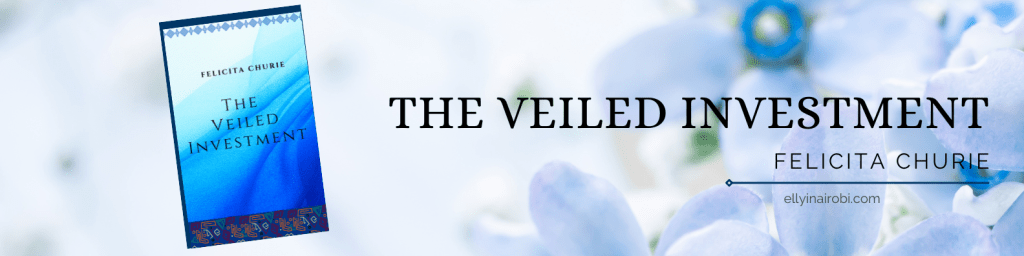
The Veiled Investment is a book that highlights the many cultural changes from 1945 to the present, encompassing the different generations. The information about these effects may not appear in history, but is told as stories. During our time, it was obligations and responsibilities; now, it is about rights and entitlements.
Why She Calls Herself the Veiled Investment:
In Felicita Churie’s community, a girl’s price was tallied in cows, not dreams. Eight decades later, that “veiled investment” has yielded returns no dowry could measure.
She outruns an arranged marriage, wins a British Scholarship, teaches a generation of girls and boys, and—when her son’s life hangs in the balance—gives him her kidney. The child earmarked for dowry becomes a teacher, scholar, commissioner, kidney donor, and grief-tempered advocate. Each milestone proves her grandmother’s quiet prophecy true: a woman’s worth is compounded in resilience and service, not cattle or coin.
Her life proves that the “investment” everyone else once claimed is, in truth, her own: education, faith, and an iron-clad will to keep going when tragedy strikes.
The Veiled Investment is both a ledger and a love letter to women whose quiet labour bankrolls families and nations. It is Felicita’s luminous memoir of classrooms and hospital corridors, showing how one determined woman turns every setback into capital for those she loves.
“I’m a member of the Silent Generation,” Felicita writes, “and my story is about my determination, resilience, wisdom, hard work, and independence—all rooted in my cultural background and the times in which I have lived.”
And what times! The Veiled Investment paints a colorful tapestry of a woman who has walked step by step through eight decades of change. As I read her story, admiring her determination to attend school in a world where girls were not expected to, I realized that we, the children of the current times, often take such privileges for granted. In contrast, the Silent Generation fought for these opportunities, sought them out, and turned them into the norm.
Felicita tells the story of a girl once viewed merely as a source of dowry, who transformed that expectation into an extraordinary life for herself and her family.
In The Veiled Investment, Felicita demonstrates the value of the priceless, silent labor a woman gives to her family and those she loves.
Our grandmothers and mothers of the Silent Generation hold remarkable stories that show us where we have come from. Felicita recalls asking her husband to sign her passport application so the government would know he had given his permission for her to travel. I marveled that I can now walk into a passport office as freely as I please and sign my own application. I promised her I would never take that privilege for granted again.
I thank women like Felicita, who lived the struggle so that we might dare to take these privileges for granted. It falls to us, to every reader, to guard those hard-won rights and extend them to those who come after us.
Pent Up Thoughts is a remarkable collection of journaled thoughts, messages, and poems that shine a captivating light on the complex depths of mental health and self-care. This book beckons readers to take a soul-stirring voyage, delving into the complexities of anxiety, depression, self-love and acceptance, relationships, coping mechanisms, healing, and the widespread stigmas surrounding mental health.
Divided into six sections, each part sheds light on an indispensable angle of the mental well-being experience, beautifully intertwined with self-care, resilience, and hope topics. This collection seeks to provide solace, inspiration, and a sense of connection to those battling mental health challenges or searching for a deeper understanding of the human experience and themselves.
Instant Appeal: In an in-depth look at the crippling struggle through depression and anxiety, hope prevails, and infinite possibilities are born out of the persistence to keep going.
“With each step you take, a victory you gain/ and before long, the strength of your will reigns.” – James B. Agape, Pent Up Thoughts.
Pent Up Thoughts is a very intimate journey of self-reflection, a call to celebrate moments of self-love and learn how to practice self-acceptance. It is a brutal look at depression and anxiety and the cost it can ravage a mind. James B. says, ‘Managing anxiety and depression is not a battle to be won, but a journey to be embraced.’ Each small step forward is a triumph, every day, every minute, every second.
There are low moments in life. It has to be acknowledged. The negative emotional impact of these low moments happens to all of us. Some more than others, but the negative impact happens and it takes a toll. James B. argues, that if you or I are in one of those very low moments, and in a negative state, ‘…you don’t have to thug it out. It’s okay to reach out, and ask for help.’
It’s okay to not be okay. And when you’re not okay, it is absolutely right to reach out to someone you trust and say, “Hey, today has been really hard for me. Can we talk for a minute?” And when someone you love or know says this to you, take the time to listen. Don’t judge. Don’t even try to offer a solution. Just listen. What matters when you’re struggling is getting through the now and focusing on getting through today.
James B. says, “I think having genuine and deep conversations goes a long way toward forming better human connections.” It is surprising how many conversations we can have in a day, but the one that sticks with you is the one person who wants to know if you’re happy, or if you ate today.
Pent Up Thoughts argues that we should celebrate self-love, and self-acceptance, and embrace our vulnerabilities, quirks, and imperfections. Once we can achieve these things, we shall show up for those who are around us in our true authentic selves. And perhaps build better connections so that when someone taps our shoulder and says, ‘Hey, can we talk for a minute?‘ We can listen and provide an authentic human connection.
Favorite quote: Embracing your imperfections and vulnerabilities is a sign of true strength. It takes courage to show up as your authentic self and love yourself unconditionally. – James B. Agape, Pent Up Thoughts.
This book is perfect for anyone who would love to understand more about mental health, what it takes to get through a rough period, or even discover how to start a mental healing journey.
James B. Agape/Varlens / Auto ModeJames B. Agape/ Pent Up Thoughts
Connect with James B. Agape:
I purpose to keep writing and sharing my human experience. Should you wish to be part of the journey, feel free to share your email : )Reach him here. Instagram: James B. Writes